
 +86-0515-86223369
  0
0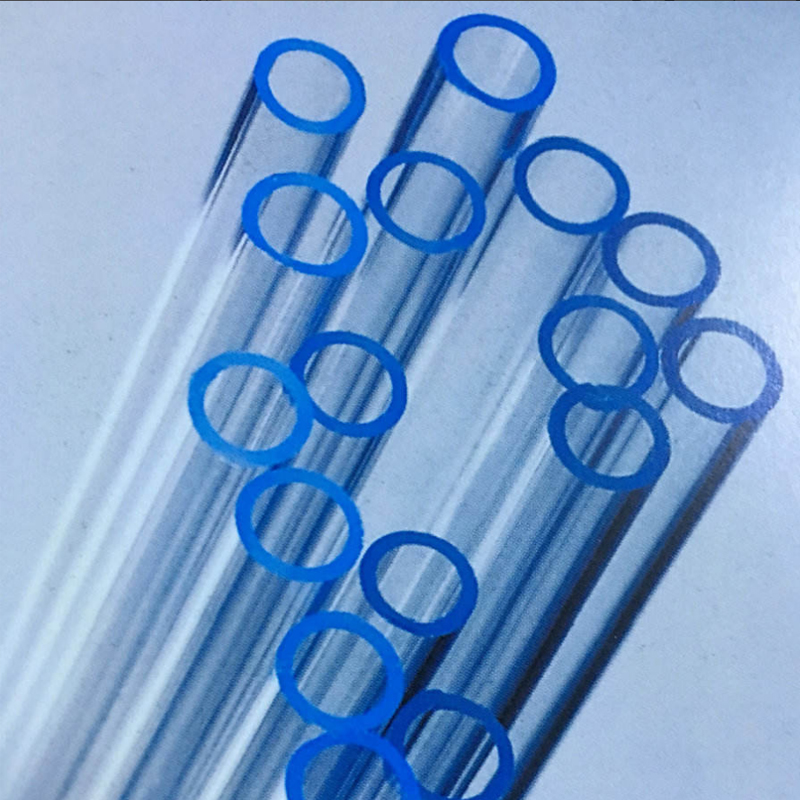

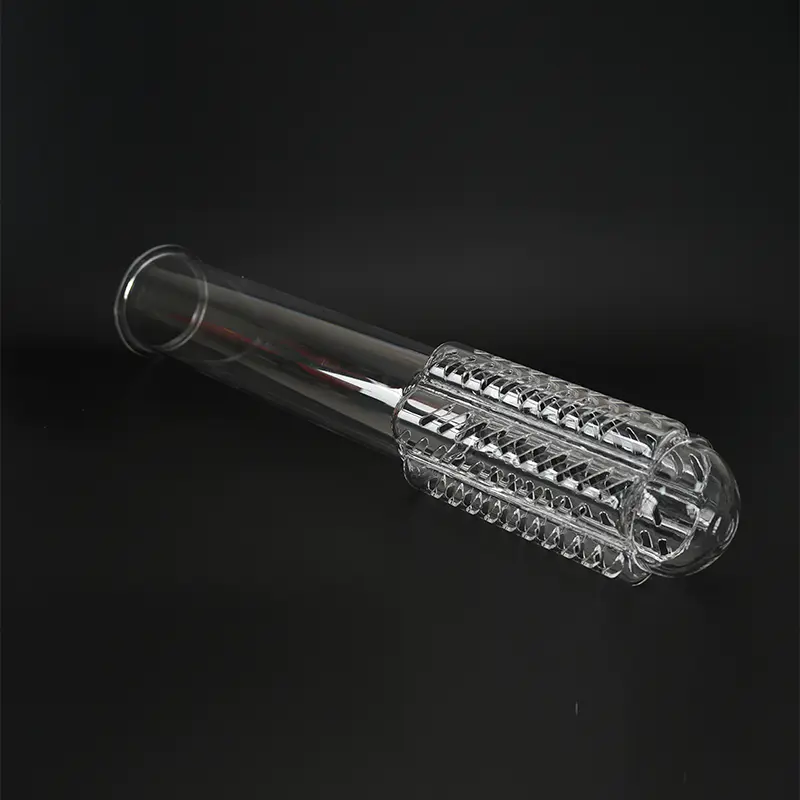

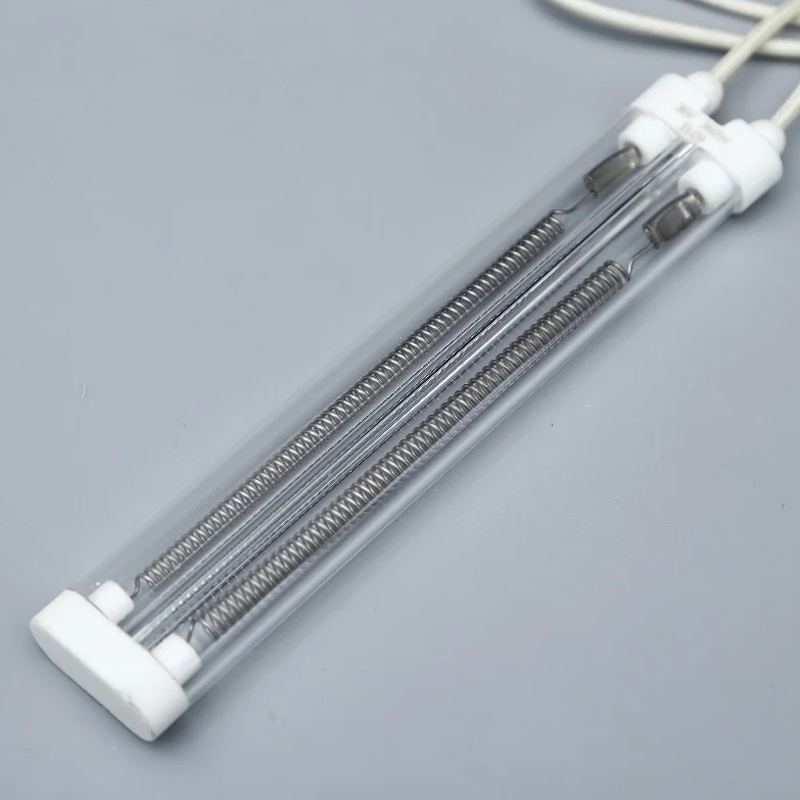
Yardıma ihtiyacınız olursa lütfen bizimle iletişime geçmekten çekinmeyin
 Products & Solutions
 {:ÖN}
{:ÖN}

Is quartz used in smelting?
Is Quartz Used in Smelting: A Direct Answer
Yes, quartz is directly used in smelting and high temperature melting processes, most notably in the form of the quartz crucible, a vessel made from fused silica that contains molten silicon during crystal growth in the semiconductor and photovoltaic industries. Quartz crucible is the main product made from high-purity quartz sand for the photovoltaic and semiconductor fields, and it is mainly used to support continuous crystallization under high-temperature conditions. It functions as a consumable quartz device used to hold polysilicon raw material as it is heated past its melting point and drawn into a single crystal ingot. The material is chosen because ordinary refractories or metals cannot maintain the chemical cleanliness required for electronic and solar grade silicon, while quartz glass can. From this point forward, this article explains why quartz performs this role so effectively, how semiconductor grade and photovoltaic grade quartz crucibles differ, how they are structured internally, and how buyers can select the right quartz glass product for their own smelting or thermal processing line.
Quartz crucible has the properties of cleanliness, homogeneity, and high temperature resistance. From the perspective of physical thermal behavior, the deformation point of a typical quartz crucible is around 1100 degrees Celsius, the softening point is around 1730 degrees Celsius, and the maximum continuous use temperature is around 1100 degrees Celsius, which can reach approximately 1450 degrees Celsius for short durations. This high purity combined with sustained high temperature resistance provides the foundation for reliable silicon rod single crystal pulling and consistent single crystal quality, making the quartz crucible one of the key auxiliary materials in the single crystal pulling system. Quartz crucibles are generally divided into two categories according to their application: semiconductor grade (electronic grade) quartz crucibles and photovoltaic grade (solar grade) quartz crucibles, each manufactured to different purity and structural specifications.
Why Quartz Glass Withstands the Thermal Demands of Smelting
Quartz glass, also referred to as fused quartz or fused silica, is produced by melting extremely pure silicon dioxide at temperatures exceeding 1700 degrees Celsius and then cooling it into a non-crystalline, amorphous solid. This amorphous structure gives quartz glass a very low coefficient of thermal expansion, which means the material does not crack easily when it is heated and cooled repeatedly, a property that is essential during the smelting cycles used in crystal pulling furnaces. In contrast to ordinary soda-lime glass, high purity quartz glass tube and quartz glass rod products can tolerate rapid temperature swings without shattering, which is why quartz glass window and quartz glass sheet components are also widely used as observation ports and structural elements in high temperature furnace equipment.
Chemical purity is the second reason quartz performs well in smelting environments. Any metallic impurity that migrates from a crucible wall into molten silicon can alter the electrical properties of the resulting crystal, which is unacceptable in semiconductor manufacturing. High purity quartz glass tube, quartz crystal rods, and quartz glass rod stock are refined to minimize trace elements such as iron, aluminum, and alkali metals, keeping the melt chemically stable throughout the pulling process. The chart below presents a general comparison of key operating characteristics between fused quartz and two other traditional refractory-type materials often discussed in furnace design literature, illustrating why fused quartz remains the preferred lining material for silicon melts.
This horizontal bar comparison shows that fused quartz glass ranks especially high in chemical purity and thermal shock resistance, the two attributes most critical for containing molten silicon without contaminating it. The dimensional stability rating reflects the very low thermal expansion coefficient described earlier, which keeps the crucible shape consistent even as the furnace cycles through extreme heat. Optical transparency is included because it allows operators to visually monitor the melt level and crystal growth interface without opening the furnace, a practical advantage of quartz glass window and quartz glass sheet viewing components. Mechanical hardness is rated more moderately, since quartz glass is strong in compression but can be brittle under sudden mechanical impact, which is why careful handling protocols matter during installation and removal of a laboratory quartz crucible or silica crucible laboratory unit. Overall, the chart illustrates that the combination of purity, thermal resilience, and stability, rather than raw hardness, is what makes fused quartz the standard choice for silicon smelting vessels.
Semiconductor Grade Versus Photovoltaic Grade Quartz Crucible
Quartz crucibles are commonly separated into semiconductor grade (also called electronic grade) and photovoltaic grade (also called solar grade) categories, and the distinction is based on the purity level required by the downstream application. Semiconductor grade crucibles support the growth of monocrystalline silicon ingots that will eventually be sliced into wafers for integrated circuits, where even parts-per-billion level impurities can affect device performance, so these crucibles are manufactured with the tightest purity control and the most rigorous inner layer specification. Photovoltaic grade crucibles support silicon ingots destined for solar cells, where the purity tolerance is somewhat wider because solar cell performance is less sensitive to trace impurities than logic and memory chip performance, allowing a different balance between crucible cost efficiency and specification.
| Attribute | Semiconductor Grade | Photovoltaic Grade |
|---|---|---|
| Purity Requirement | Extremely high | High |
| Typical Application | Integrated circuit wafers | Solar cell ingots |
| Inner Layer Bubble Control | Very strict | Moderate |
| Typical Service Life in Furnace | Single long pulling cycle | Extended multi-pulling cycle |
This radar chart compares semiconductor grade and photovoltaic grade quartz crucible across six qualitative attributes that matter most to buyers who source a quartz crucible for laboratory or production furnace use. The semiconductor grade profile extends further outward on purity, bubble control, and wall uniformity, reflecting the tighter manufacturing tolerance required for wafer fabrication feedstock. The photovoltaic grade profile still covers a broad area of the chart, indicating that it remains a high performance product, but with a more balanced allocation across transparency and thermal stability rather than pushing every attribute to the maximum. Devitrification resistance, meaning resistance to unwanted crystallization of the glass surface during prolonged heat exposure, is closely matched between the two grades because both are built from fused silica with similar base thermal chemistry. Buyers evaluating a quartz crucible laboratory sample or a full production batch can use this type of comparison framework to decide which grade fits their specific melting cycle length and product purity target.
Structure of a Quartz Crucible: An Isometric View
A production quartz crucible is not a single uniform layer of glass. It typically consists of an outer opaque layer that provides structural support and heat distribution, a clear or semi-clear inner layer that comes into direct contact with the molten silicon, and in many designs a bubble layer sandwiched between them that helps manage thermal stress and outgassing during the melt cycle. The diagram below presents an isometric, labeled view of this layered structure, which is useful for understanding why an opaque fused silica crucible and a clear quartz crucible often refer to different zones of the same overall product family rather than entirely separate product lines.
The outer opaque layer visible in the diagram is composed of fine, tightly packed silica particles that scatter heat evenly around the crucible wall and provide the mechanical rigidity needed to hold the weight of the silicon charge during a long pulling cycle. Just beneath it sits the bubble transition layer, which contains a controlled distribution of microscopic gas pockets that help absorb thermal expansion stress and reduce the risk of cracking as the crucible is heated from ambient temperature up to its operating range. The innermost clear layer is manufactured with the highest purity silica and the fewest bubbles, since this is the surface that directly touches the molten silicon and therefore has the greatest influence on contamination control. The rim and wall profile shown at the base of the diagram is engineered to a specific thickness gradient, thicker near the base to support the weight of the melt and gradually tapering toward the rim, which helps the crucible maintain dimensional stability throughout the thermal cycle. Understanding this layered construction helps procurement teams evaluate whether a supplied quartz crucible sample, whether described as an opaque fused silica crucible or a clear quartz crucible, meets the internal quality expected for a specific furnace and pulling process.
Manufacturing Process and Quality Control
Producing a quartz crucible begins with sourcing high purity quartz sand, which is screened and chemically treated to remove metallic impurities before it is fed into a rotary molding furnace. Inside the furnace, the sand is fused at extremely high temperature while the mold rotates, allowing centrifugal force to distribute the melted silica evenly and build up the layered wall structure described in the previous section. After the initial forming stage, the crucible passes through a series of finishing steps, including edge trimming, surface inspection, and dimensional verification, before undergoing final quality checks that assess bubble distribution, wall thickness uniformity, and optical clarity in the inner layer. Because contamination at any stage can compromise the entire batch, manufacturing facilities dedicated to quartz glass production, including quartz crucible, quartz glass tube, and quartz glass rod lines, maintain controlled clean environments that are separated from general industrial dust and airborne particulates.
This bar chart illustrates the relative time weighting of each major production stage in a typical quartz crucible manufacturing line, based on general process descriptions common in fused silica manufacturing literature rather than any single fixed timetable. The rotary fusing stage occupies the largest share of processing time because it is where the layered wall structure is formed and where temperature control must be most precise to avoid uneven wall thickness. Raw material preparation is also relatively time intensive, since screening and purifying quartz sand to the required purity level cannot be rushed without risking contamination later in the process. Cooling requires a carefully controlled schedule as well, because cooling a large fused silica part too quickly can introduce internal stress that later leads to cracking during furnace operation. Trimming and inspection occupy comparatively shorter windows in the overall timeline, but they remain essential quality gates that determine whether a finished quartz crucible or a related quartz glass instrument meets the dimensional and optical standards required by semiconductor and photovoltaic customers.
Beyond Silicon Smelting: The Broader Quartz Glass Product Family
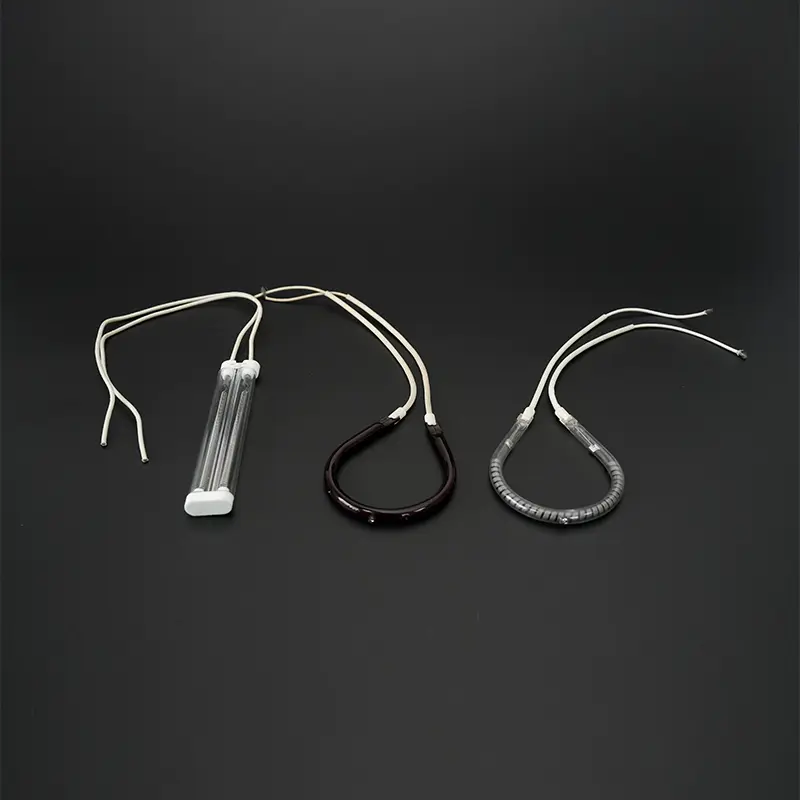
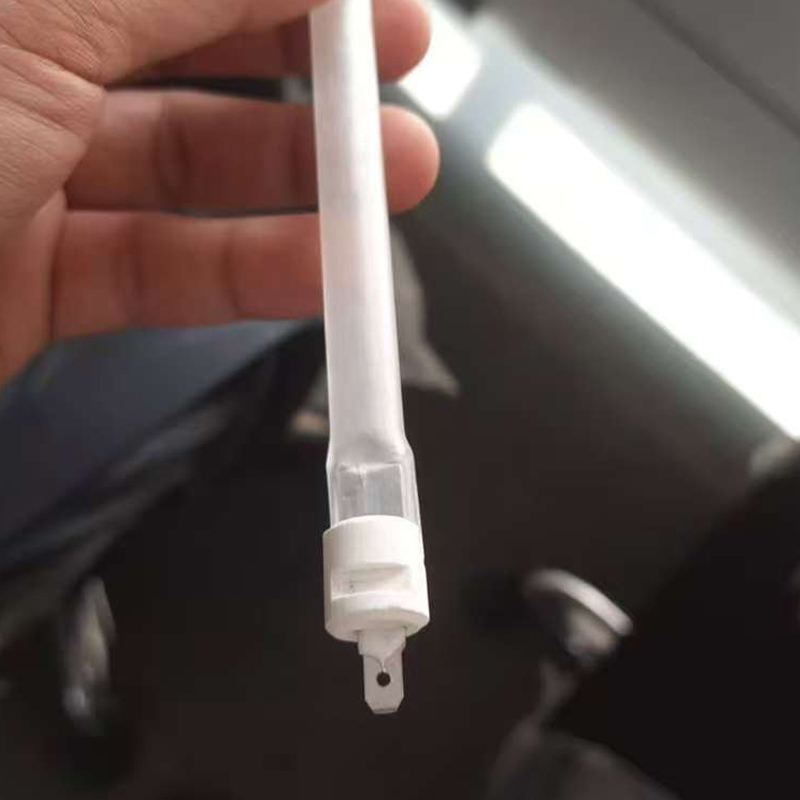
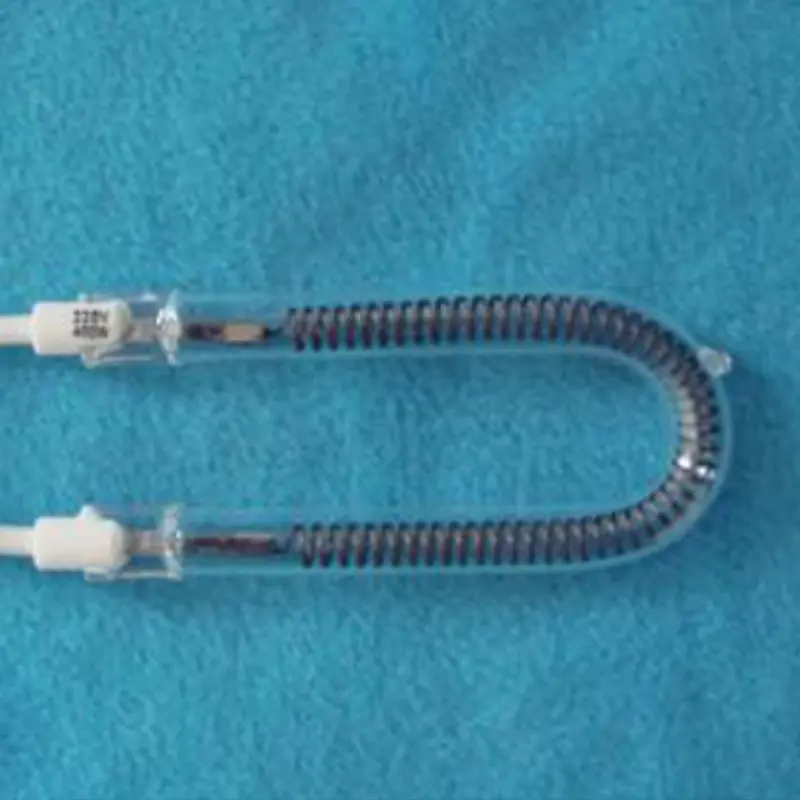
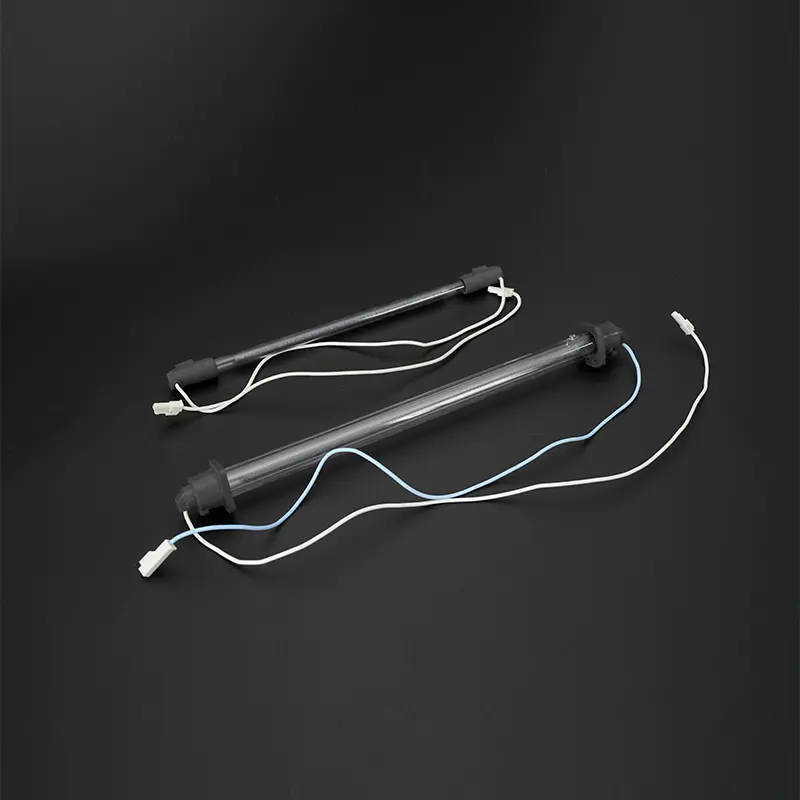
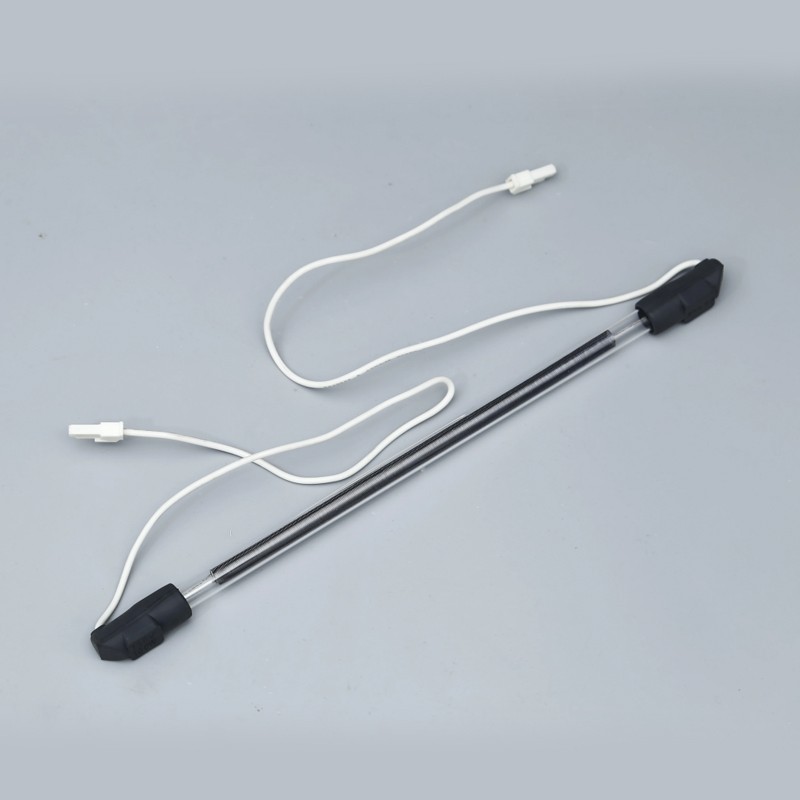
While the quartz crucible is central to silicon smelting, the same base material supports a wide family of special optical glass products used across laboratory, industrial, and even wellness applications. High purity quartz glass tube and quartz glass rod stock are used to fabricate laboratory apparatus such as a quartz crucible laboratory set, glass pipe assemblies, and custom fused quartz rods for research environments where chemical inertness and heat resistance are required. Quartz glass sheet and quartz glass window components, along with UV quartz plate and UV round quartz plate with holes, are used where ultraviolet transmission or high temperature viewing access is needed, since ordinary glass does not transmit ultraviolet wavelengths as efficiently as fused quartz. Fused quartz rods and quartz crystal rods are also shaped into halogen heater and infrared heating tube components, including quartz tube heater, carbon fiber quartz heater, and quartz carbon fiber infrared heating tube products, which rely on the same purity and thermal shock resistance that make quartz suitable for silicon smelting in the first place.
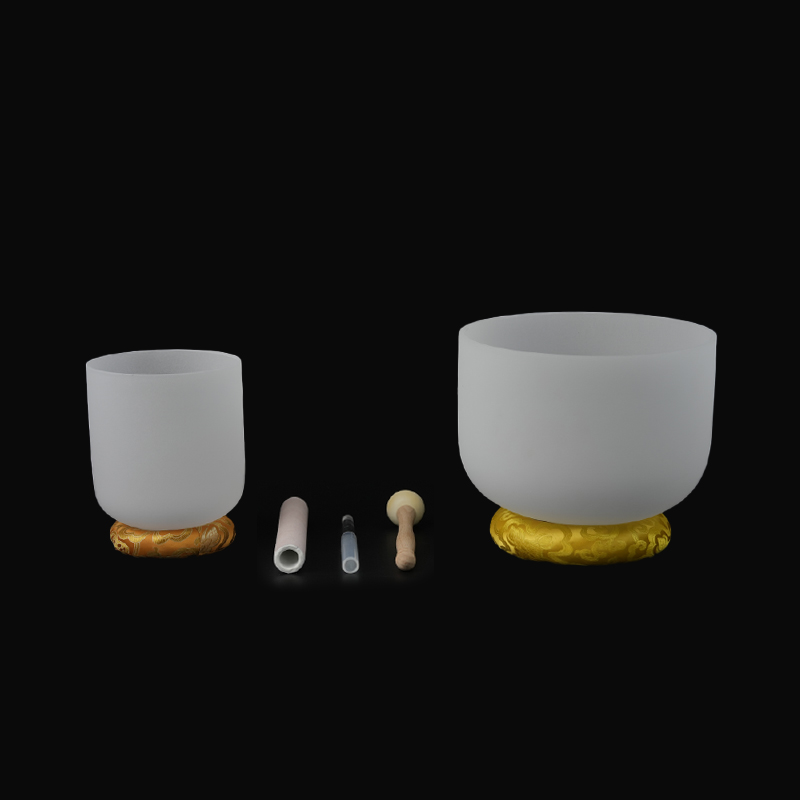
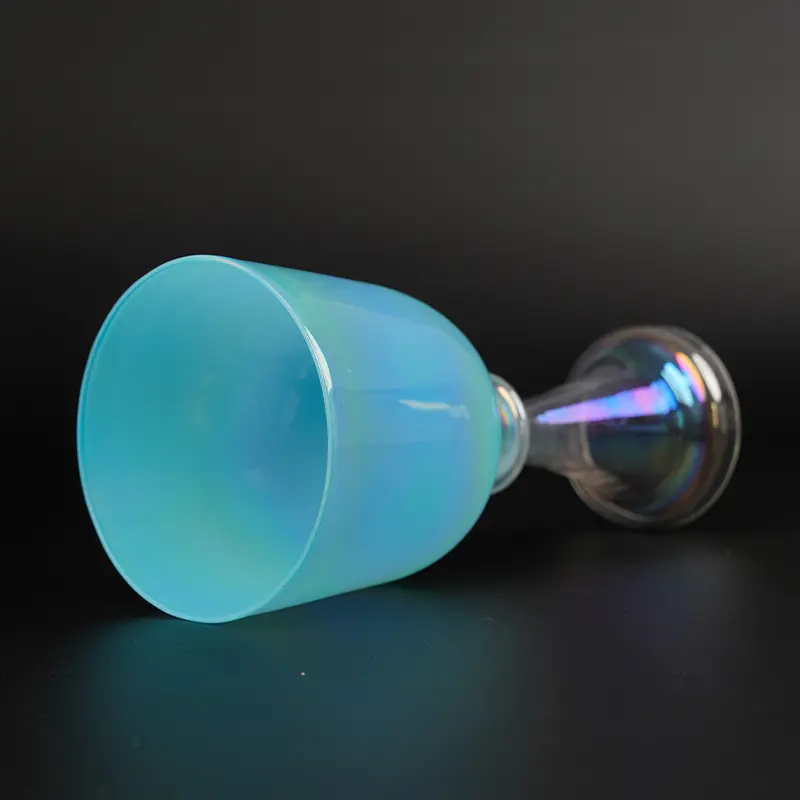
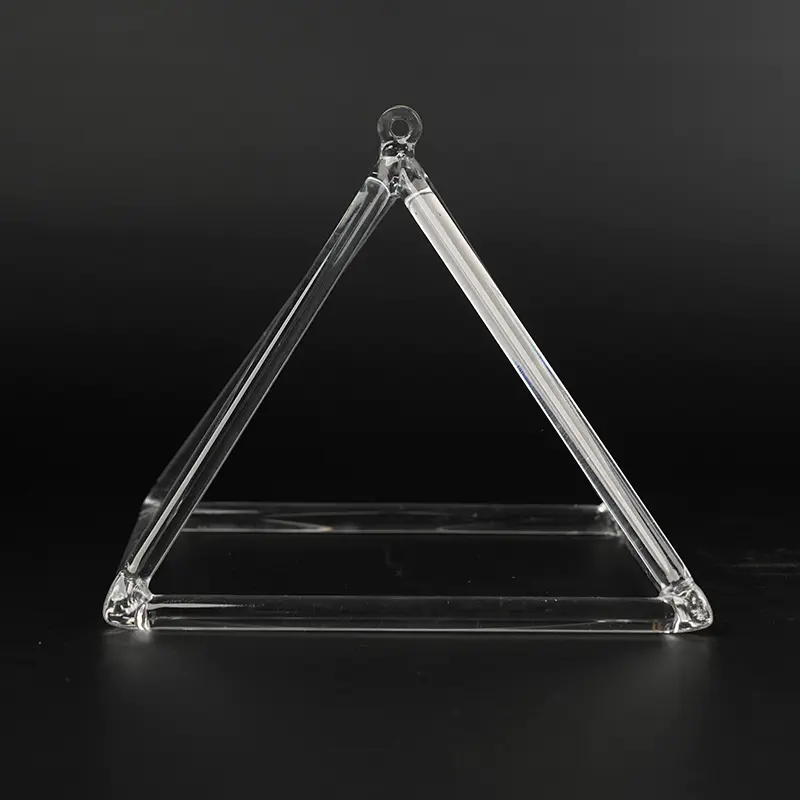
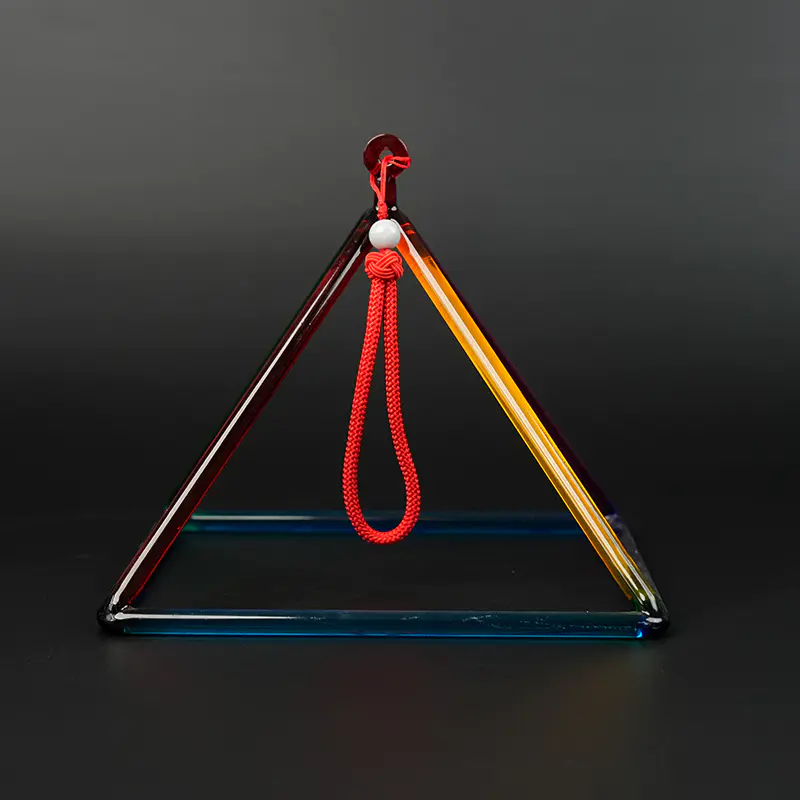
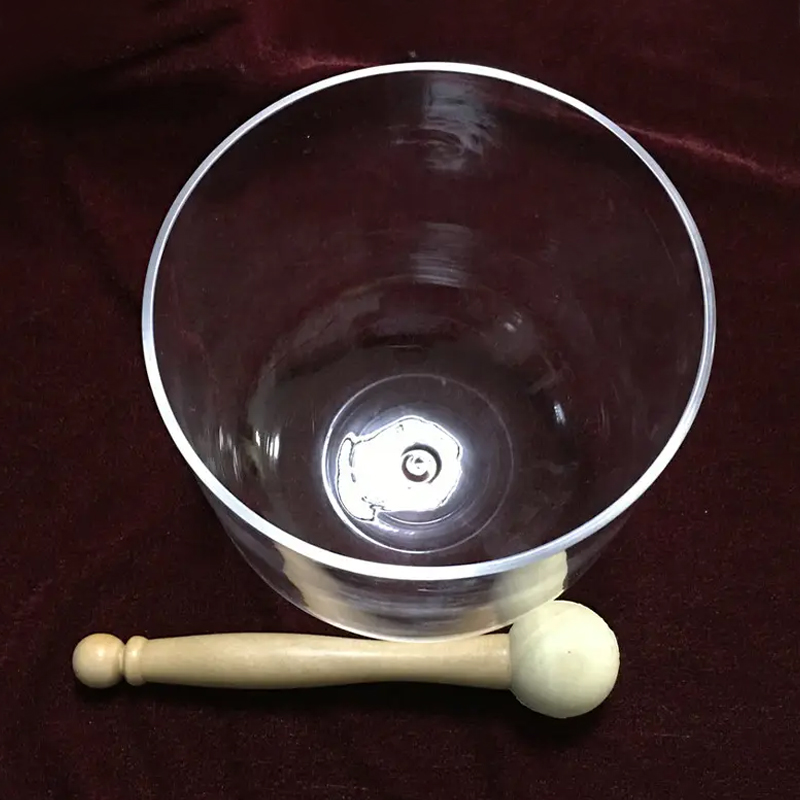
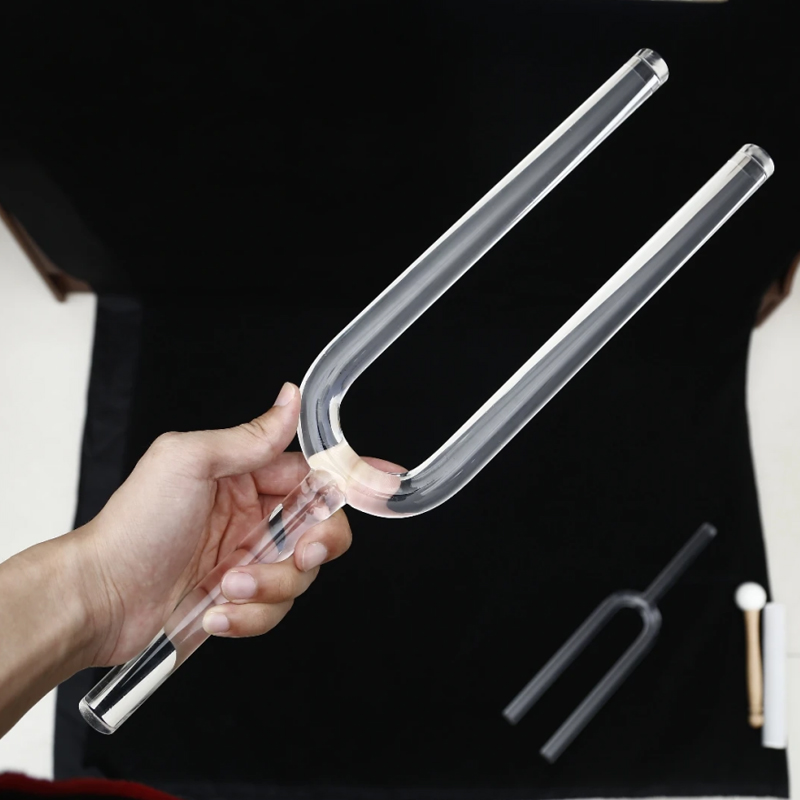
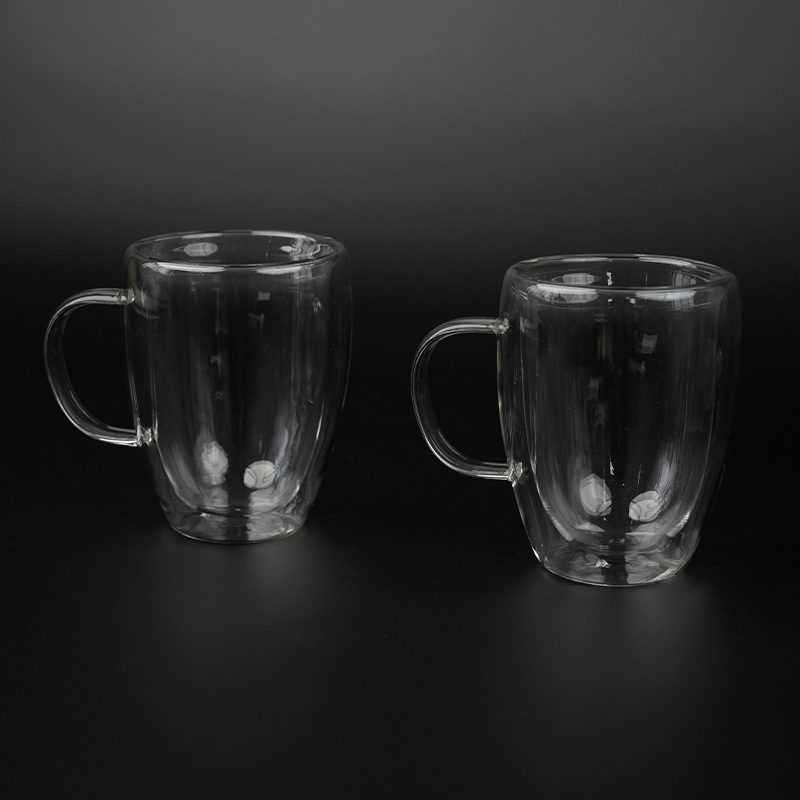
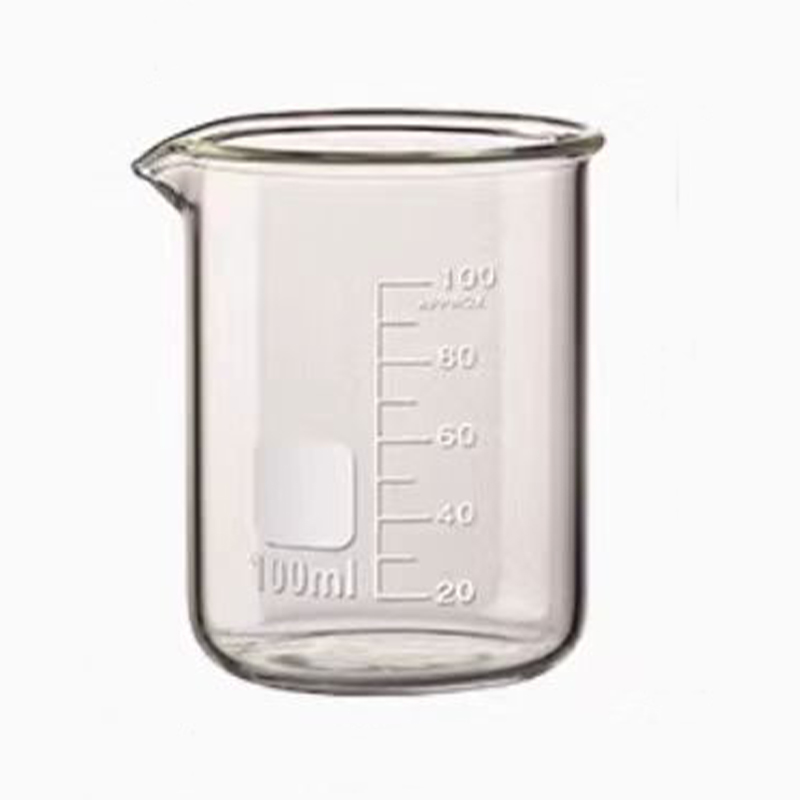
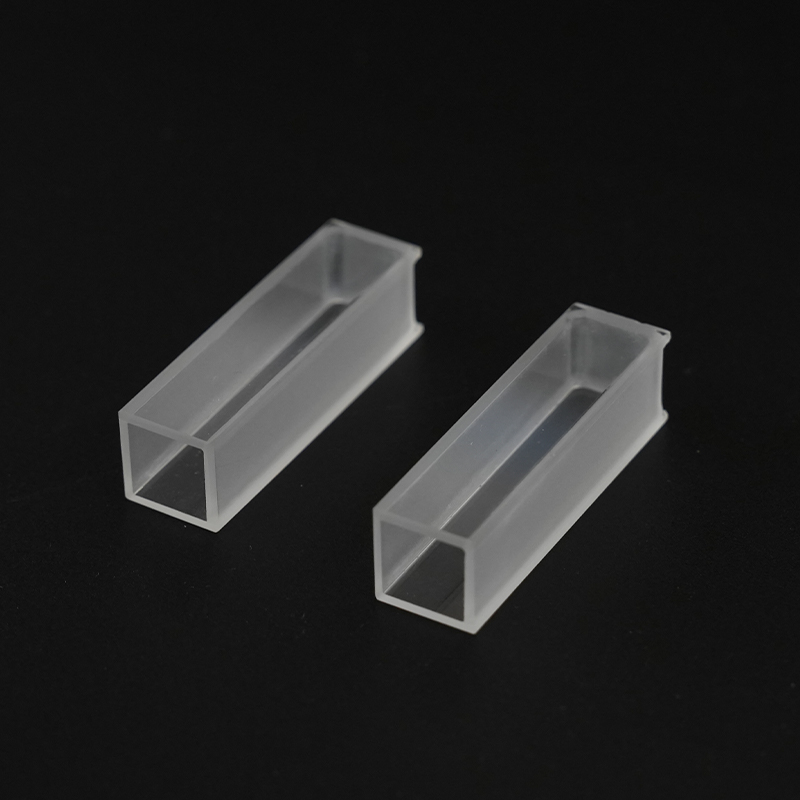
An interesting extension of quartz glass technology is its use in sound healing instruments. Because fused quartz can be shaped into precise, uniform wall thicknesses and produces a clear, sustained resonance when vibrated, it is used to manufacture a singing bowl, crystal alchemy bowls, a crystal singing triangle, a crystal harp, a quartz crystal tuning fork, and a crystal singing holy grail. These instruments rely on the same rotary fusing and precision wall control techniques used in crucible manufacturing, just applied to a different acoustic purpose rather than a thermal one. Other supporting laboratory items made from the same base fused silica material include a UV fused quartz cuvette, a rectangular quartz cuvette, high purity heat resistant fused quartz glass boat components, and general purpose laboratory glassware such as a triangular flask, a triangular shaped funnel, and a high borosilicate measuring cup, all of which benefit from the chemical stability that fused quartz and high borosilicate glass share.
This donut chart presents a general qualitative view of how fused quartz glass is distributed across major application segments, based on typical industry product categories rather than a specific statistical survey. The crucible and semiconductor segment together with laboratory glassware make up the largest portion of the chart, reflecting the fact that thermal processing and analytical chemistry remain the most established uses for high purity fused silica. Heating and infrared tube applications occupy a meaningful middle segment, since quartz carbon fiber infrared heating tube and halogen heater components have grown steadily as industrial and consumer heating equipment increasingly favors fast-response infrared elements. Optical and UV window applications, including UV quartz plate and quartz glass window products, form a smaller but stable segment tied to specialized instrumentation and sterilization equipment that depends on ultraviolet transmission. The sound healing instrument segment is the smallest by comparison, yet it represents a distinctive niche where the acoustic properties of fused quartz, rather than its thermal or optical properties, are the primary value driver, showing how a single base material can support very different end use industries.
Selecting the Right Quartz Crucible or Quartz Glass Component
Choosing between a semiconductor grade and photovoltaic grade quartz crucible, or between different quartz glass tube and quartz glass rod specifications, should start with a clear definition of the operating temperature range and the purity tolerance of the downstream product. Buyers should also consider crucible wall thickness and layer structure, since a thicker outer opaque layer generally supports longer single crystal pulling cycles, while a thinner, more uniform inner clear layer supports lower contamination risk. The following list summarizes practical selection criteria that procurement and engineering teams commonly review before finalizing a quartz crucible or related fused quartz component order.
- Confirm the maximum continuous operating temperature and short-term peak temperature the crucible or tube must withstand during the intended smelting or heating cycle.
- Match the purity grade to the sensitivity of the downstream product, choosing semiconductor grade for wafer fabrication feedstock and photovoltaic grade for solar ingot production.
- Review the bubble distribution and wall uniformity specification, particularly for the inner contact layer that touches the molten material directly.
- Verify dimensional tolerances against the specific furnace or pulling equipment the crucible, quartz glass tube, or quartz glass rod will be installed into.
- Request handling and storage guidance to reduce the risk of thermal shock or mechanical damage before the component reaches operational use.
This area and line chart illustrates a general upward adoption pattern of fused quartz components across furnace production lines over a multi-year period, consistent with the broader expansion of monocrystalline silicon production reported across the photovoltaic and semiconductor supply chain in recent years. The steady rise from left to right reflects growing furnace capacity additions industry-wide, each of which requires its own set of quartz crucibles, quartz glass tubes, and supporting fused silica components. The shaded area under the line emphasizes the cumulative nature of this demand, since crucibles and related components are consumable items that must be replaced regularly rather than installed once, unlike the furnace equipment itself. This pattern underscores why consistent, quality controlled supply of quartz crucible and quartz glass rod products matters for manufacturers operating continuous or near continuous crystal growth lines. Buyers evaluating long-term supply relationships often look for suppliers who can demonstrate stable production capacity that keeps pace with this kind of sustained multi-year growth curve.
About Yancheng Mingyang Quartz Products Co., Ltd.
Yancheng Mingyang Quartz Products Co., Ltd. is a company specializing in the production of quartz and special glass products. Yancheng Mingyang Quartz Products Co., Ltd. is the production plant of Jinzhou Mingde Quartz Glass Co., Ltd. in Jiangsu. Since its establishment, the company has developed rapidly, introducing advanced technology and production equipment at home and abroad, and continuously improving product quality. Relying on its own advantages, the company has developed a variety of products suitable for the market that meet the needs of different customers, and has resolved many urgent production challenges for its customers across the quartz and special glass supply chain.
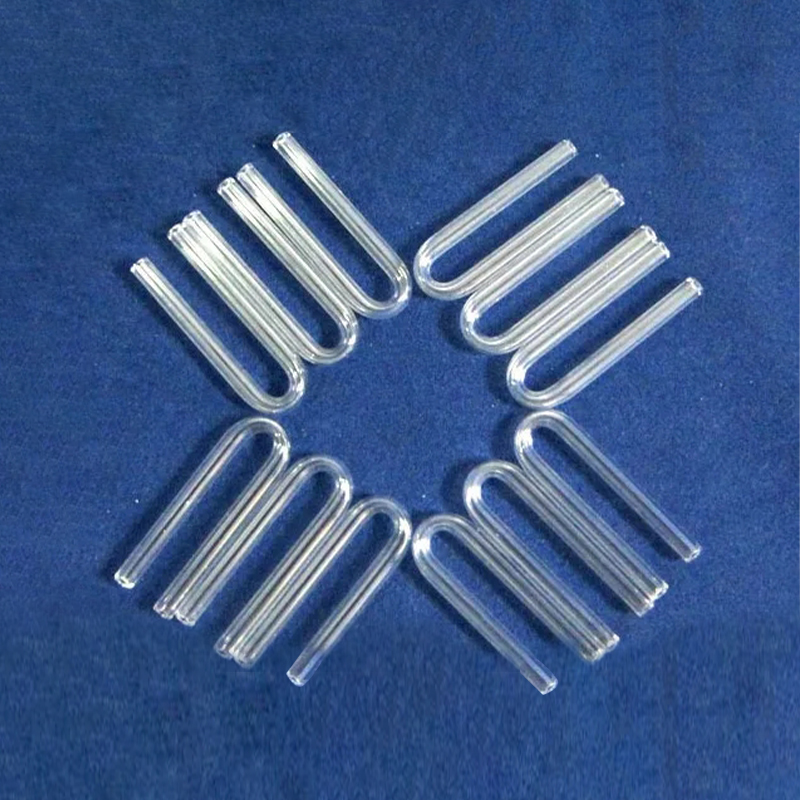
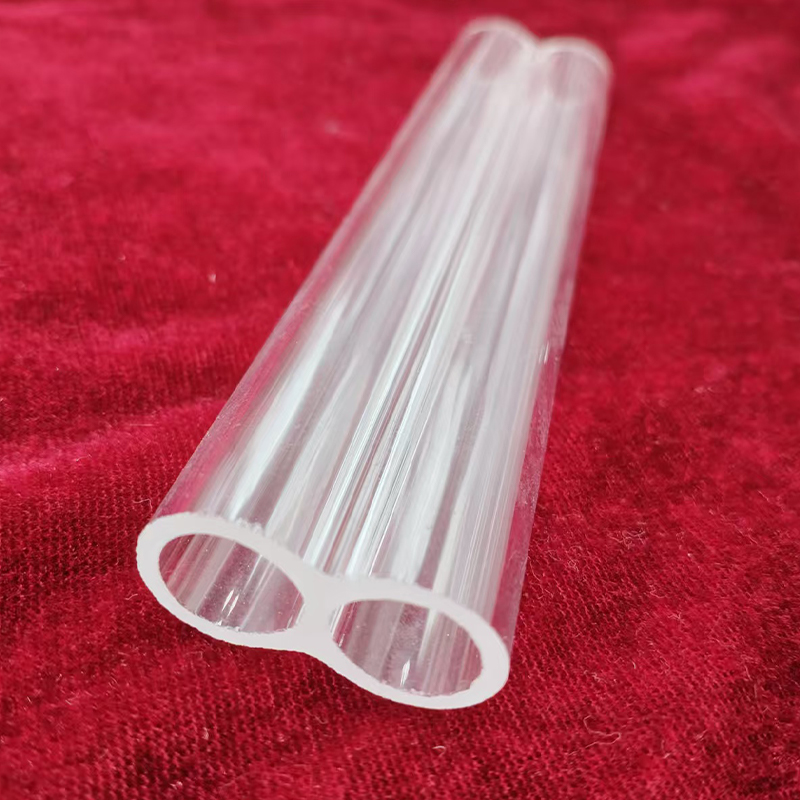
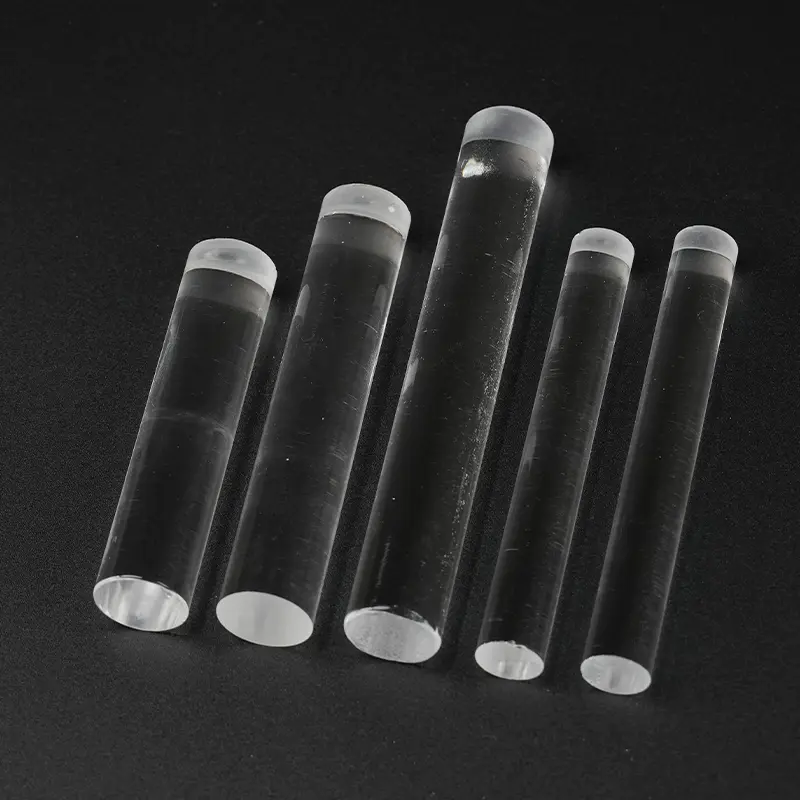
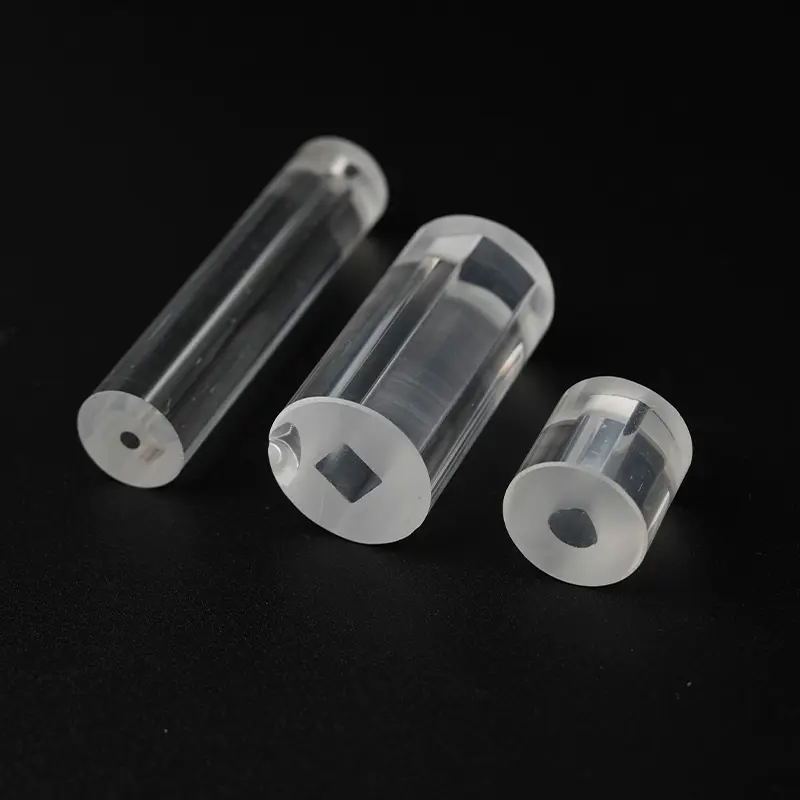
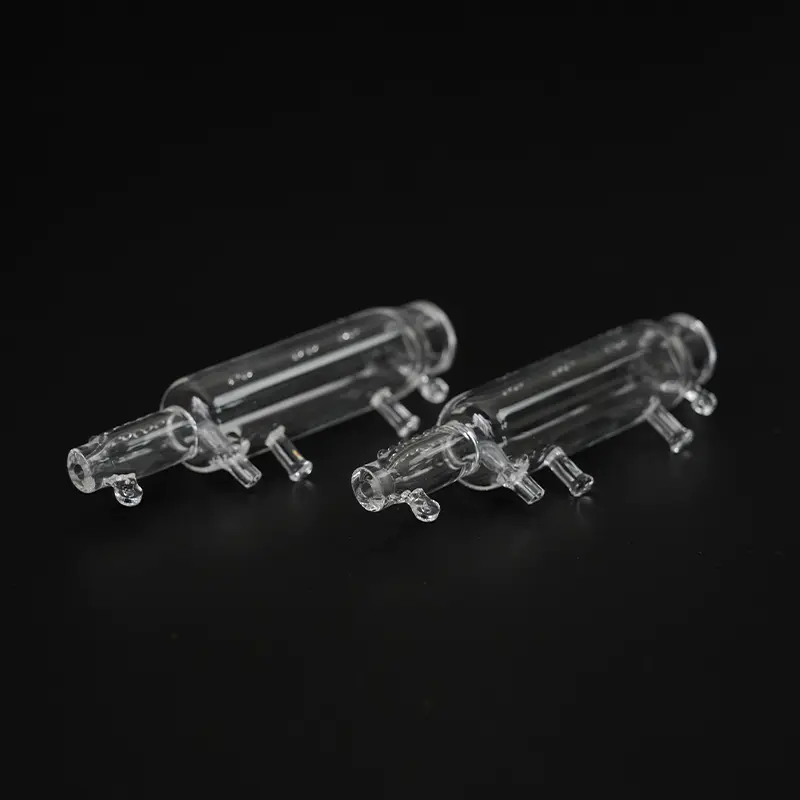
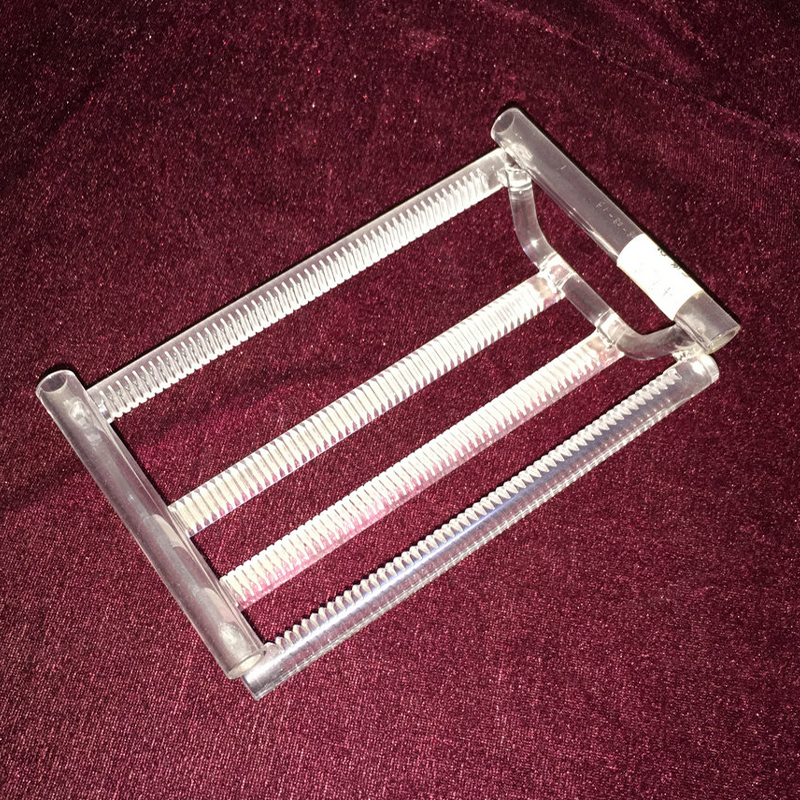
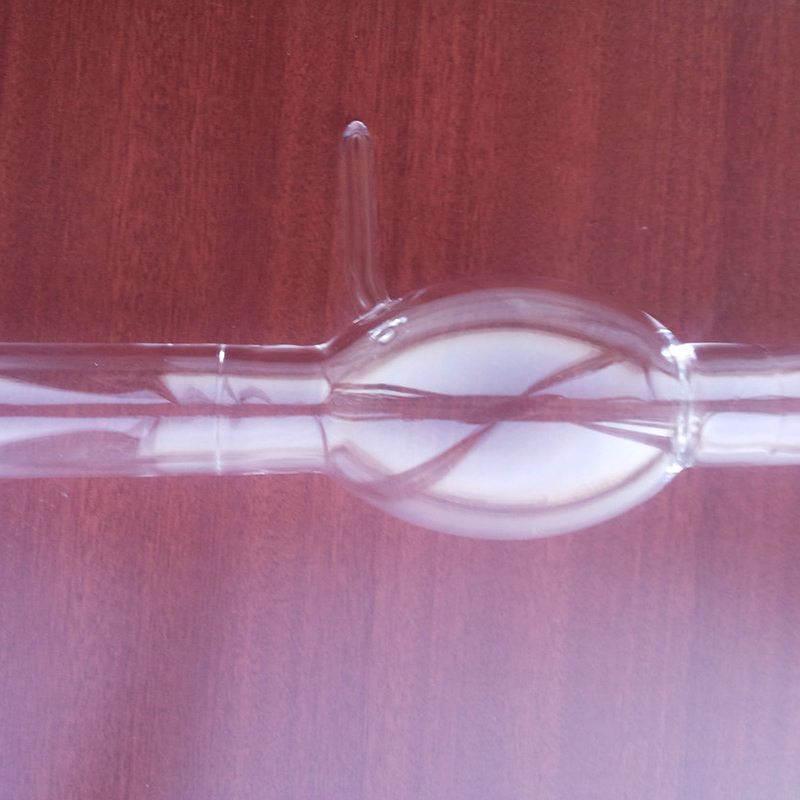
The company's product range includes quartz glass tubes, double-hole quartz glass tubes, quartz glass rods, quartz sheets, sapphire windows, calcium fluoride glass windows, infrared and ultraviolet coatings, high-pressure resistant aluminosilicate glass window panels, quartz glass instruments, high borosilicate glass instruments, quartz crucibles, quartz gold-plated tubes, quartz heaters, quartz infrared heating tubes, far-infrared directional radiation heaters, ultraviolet germicidal lamps, and other special types of quartz glass products. This broad production scope allows the company to support customers who need both standard quartz crucible and quartz glass tube supply as well as more specialized items such as sapphire window and infrared heating tube components within a single supplier relationship.
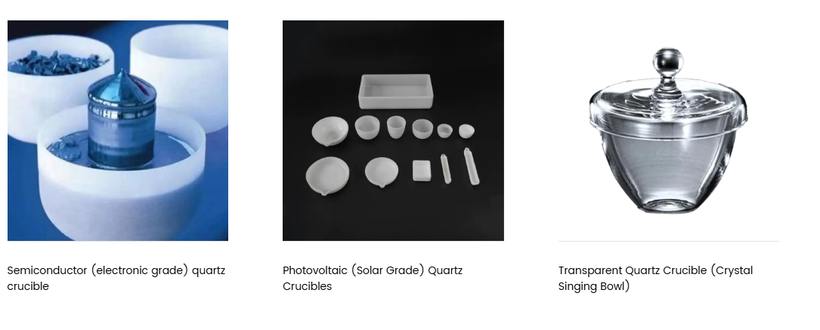
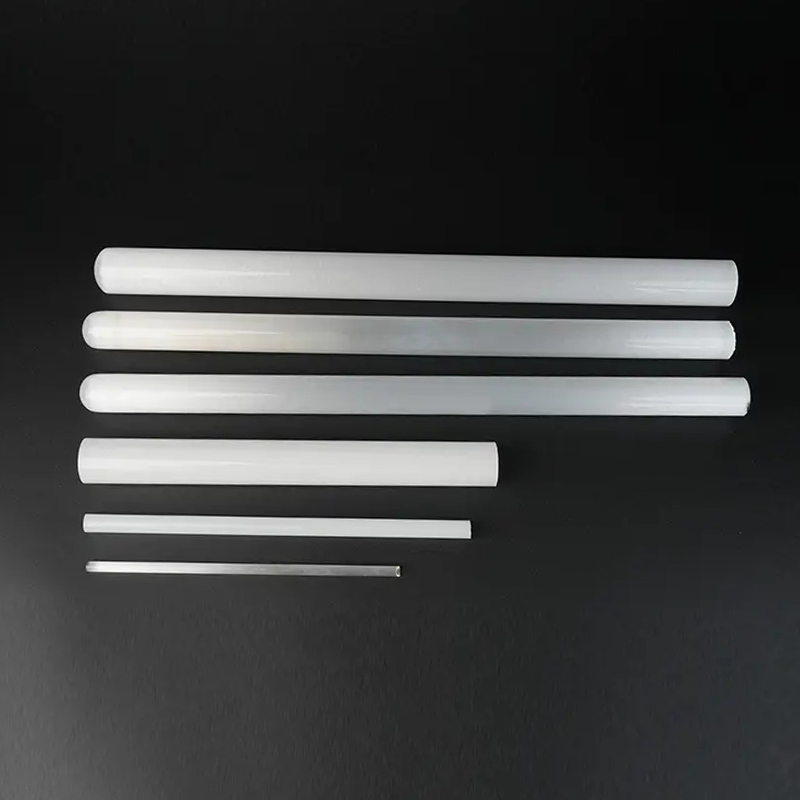
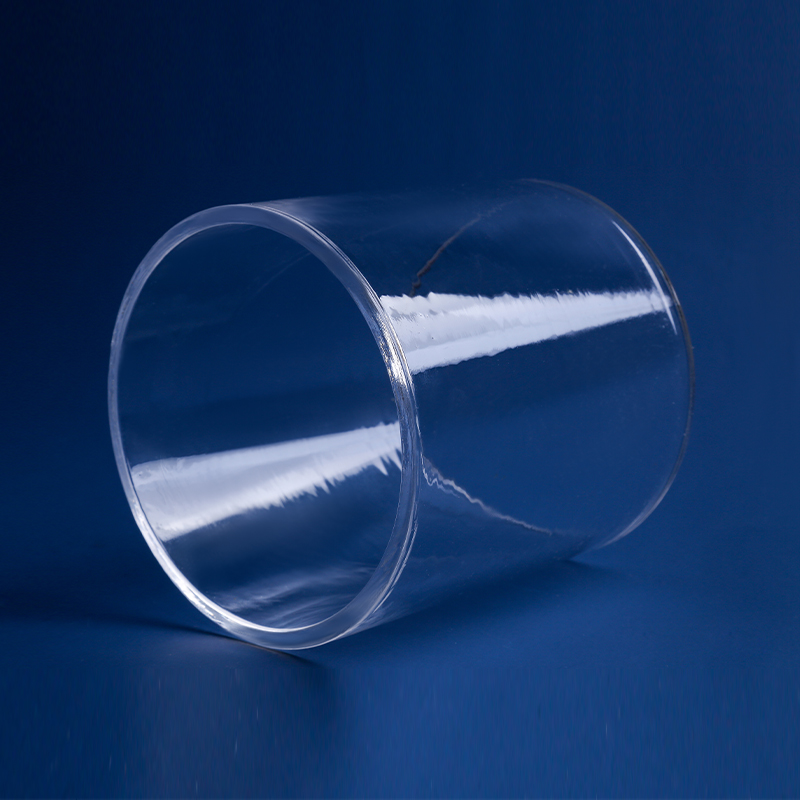
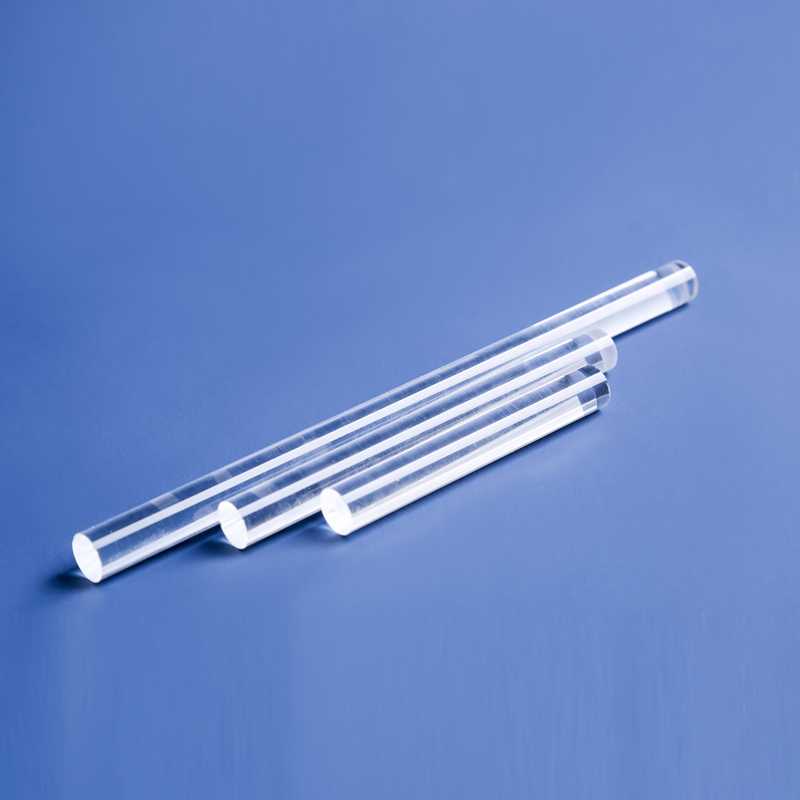
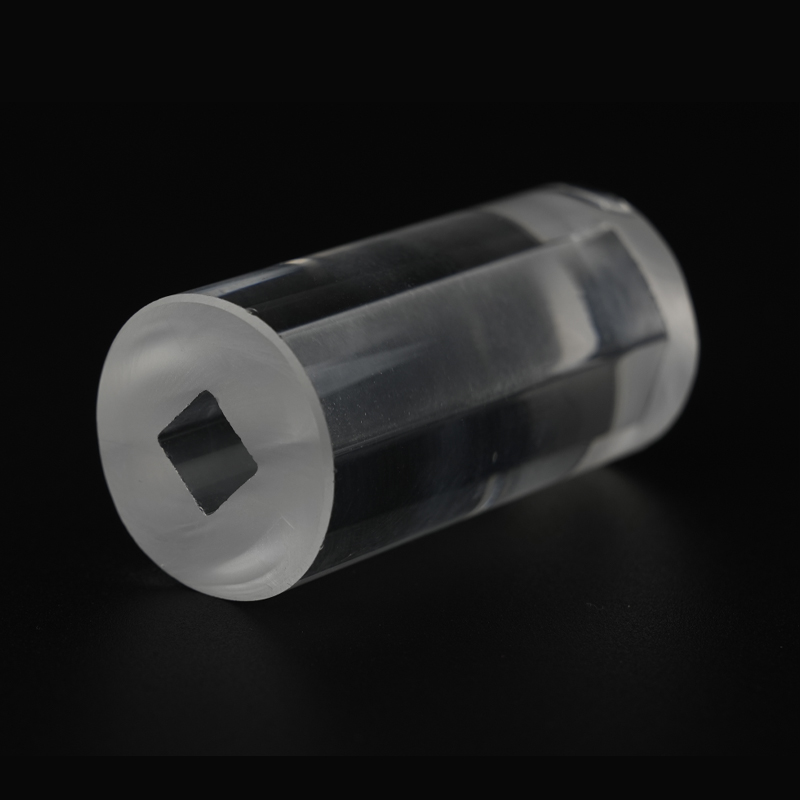
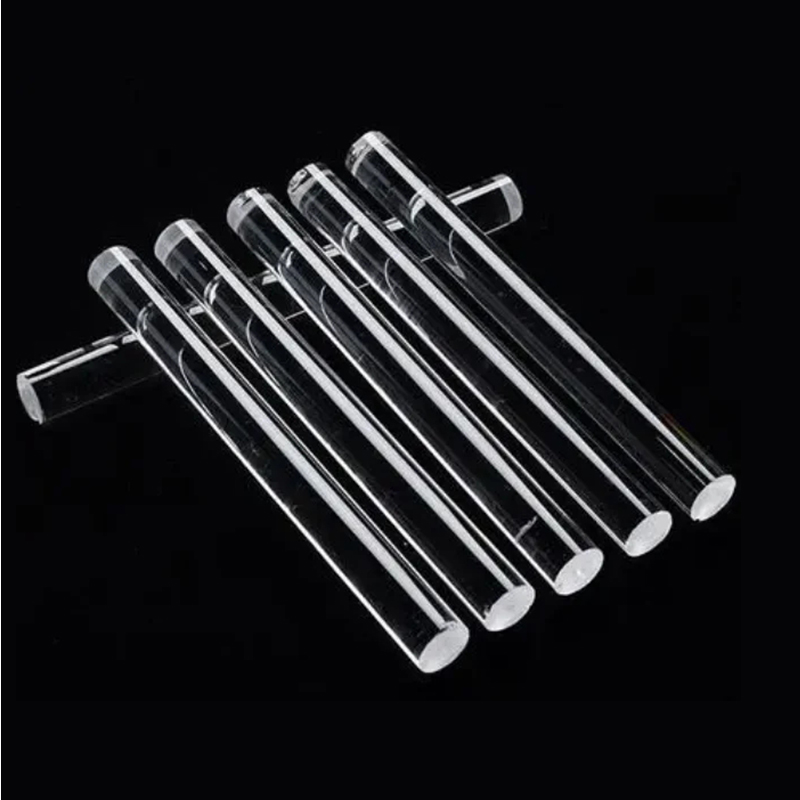
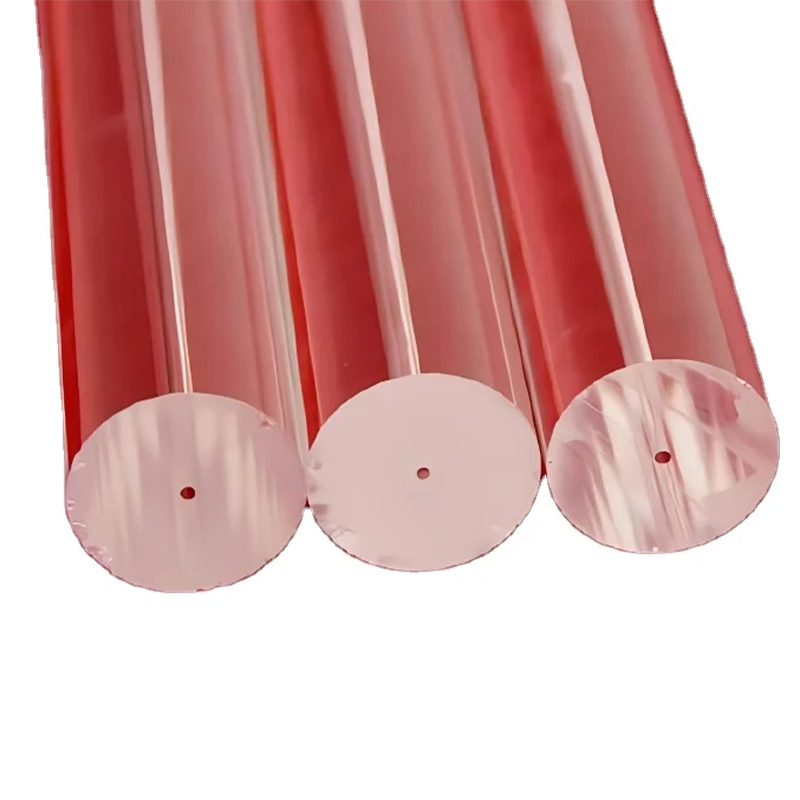
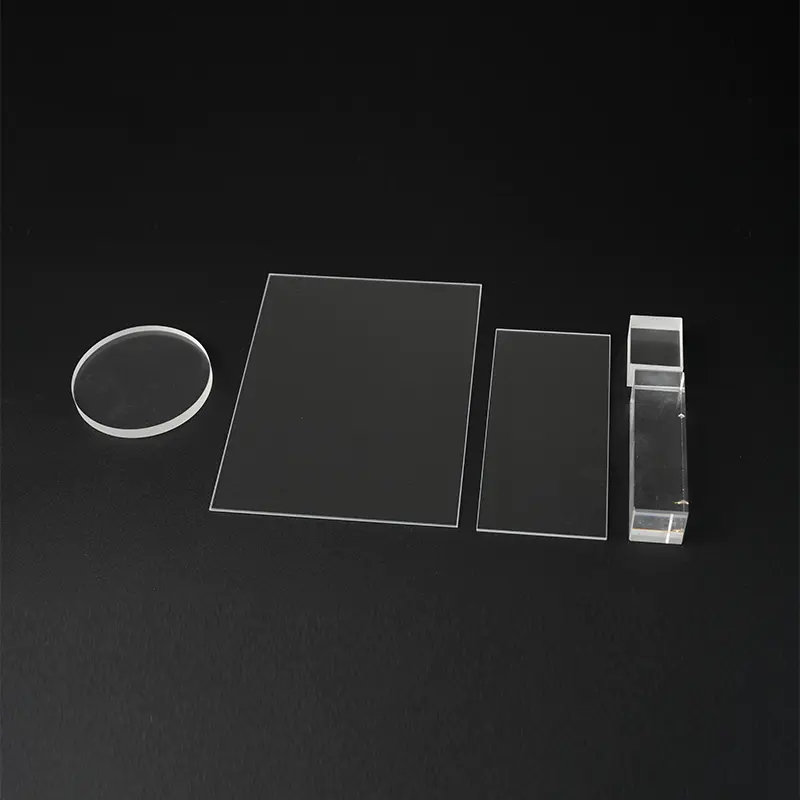
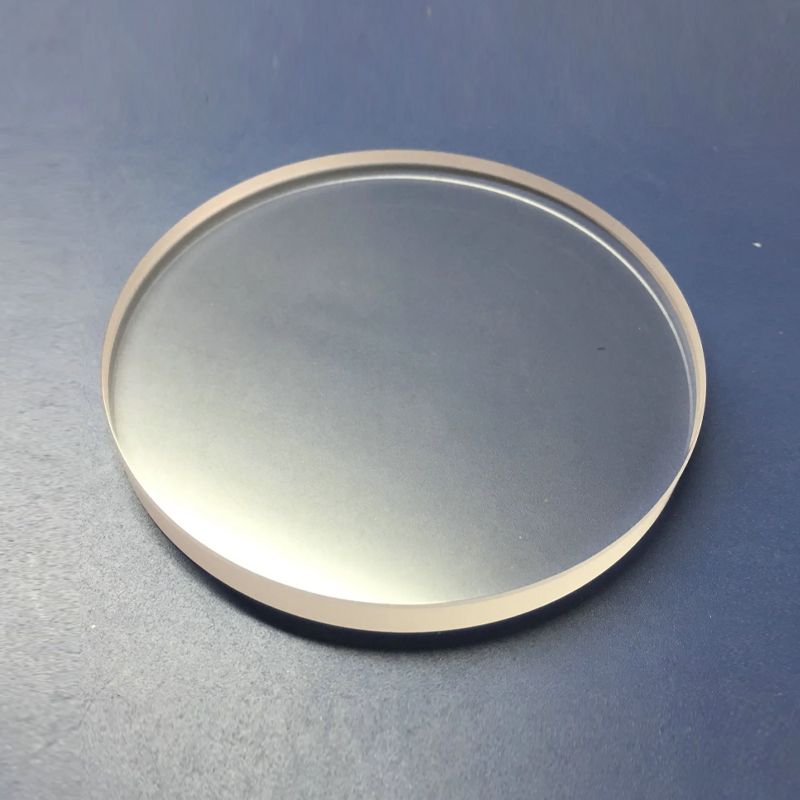
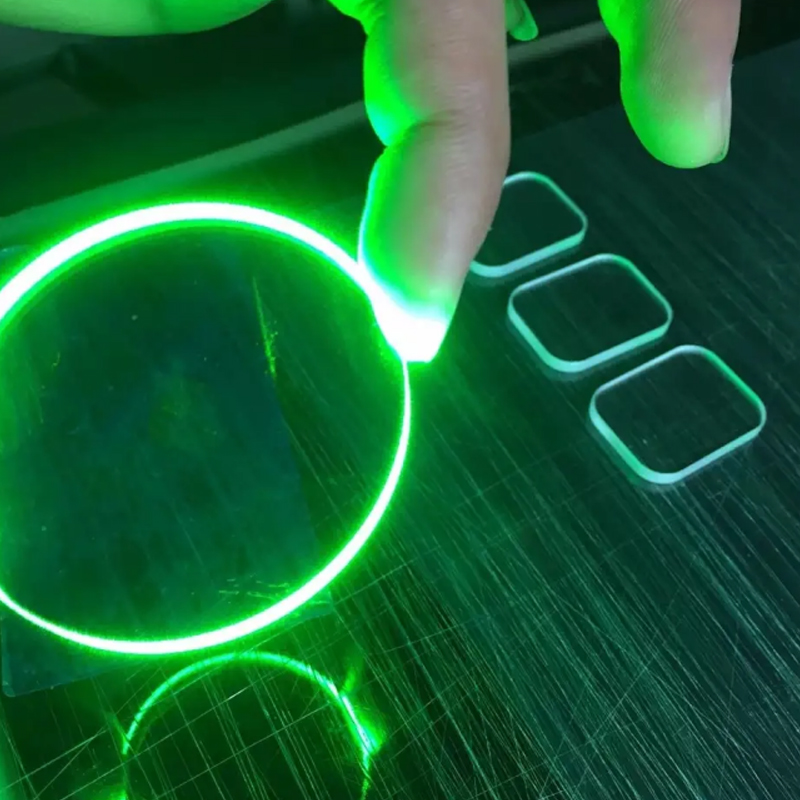
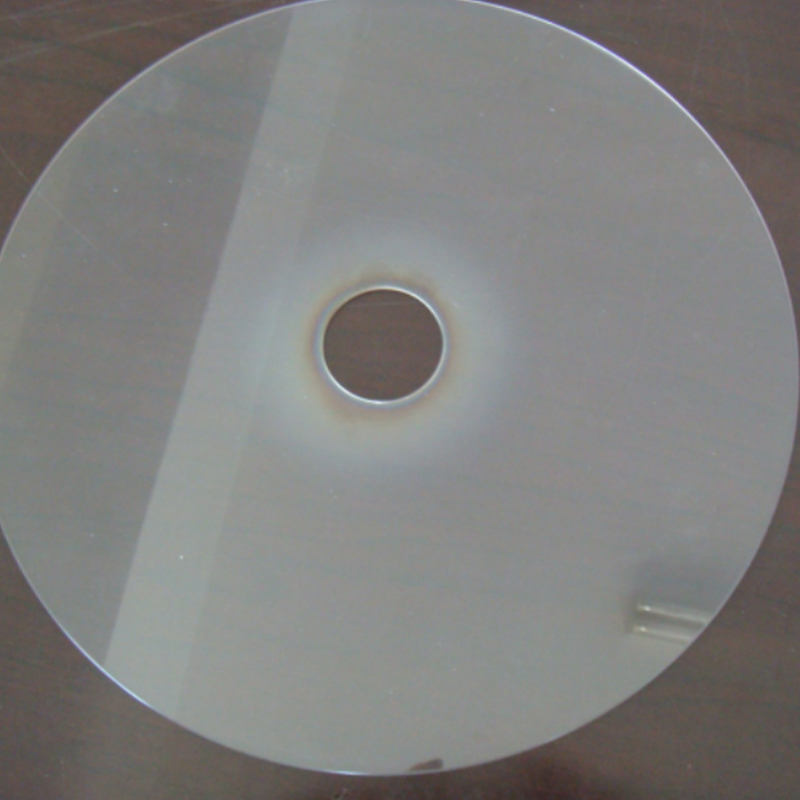
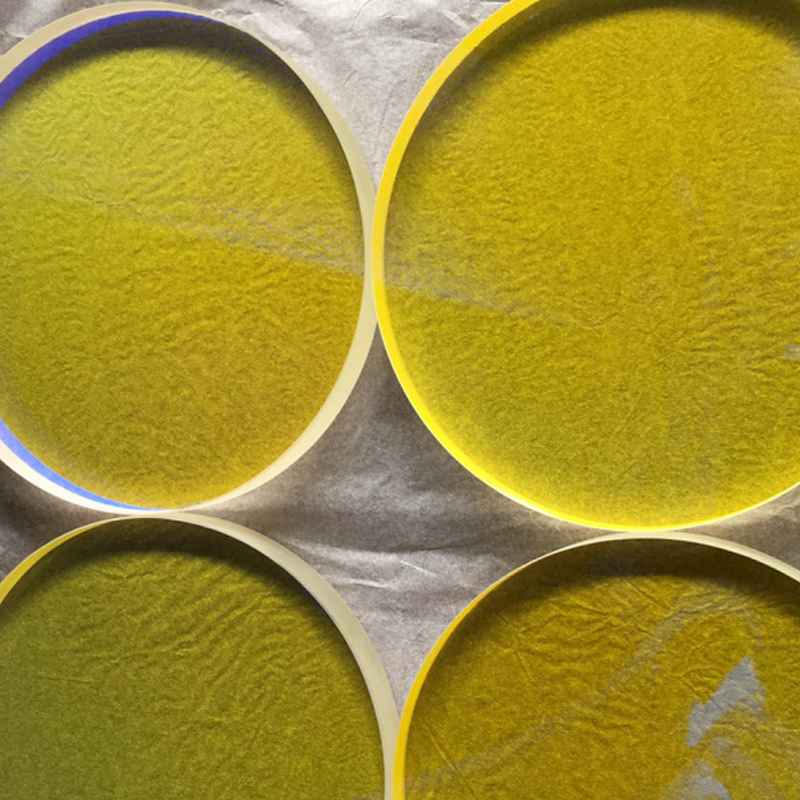
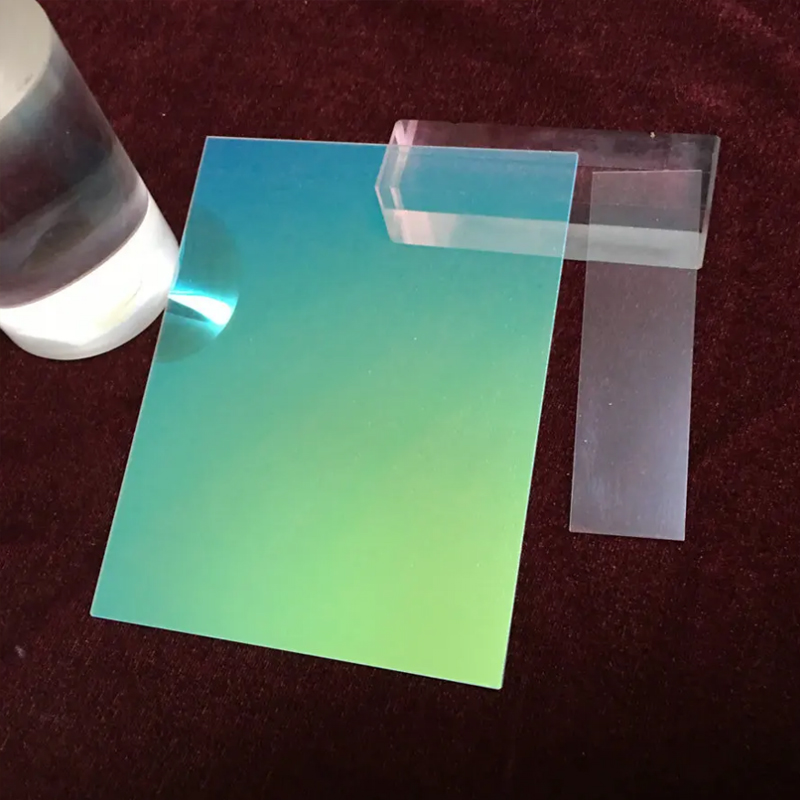
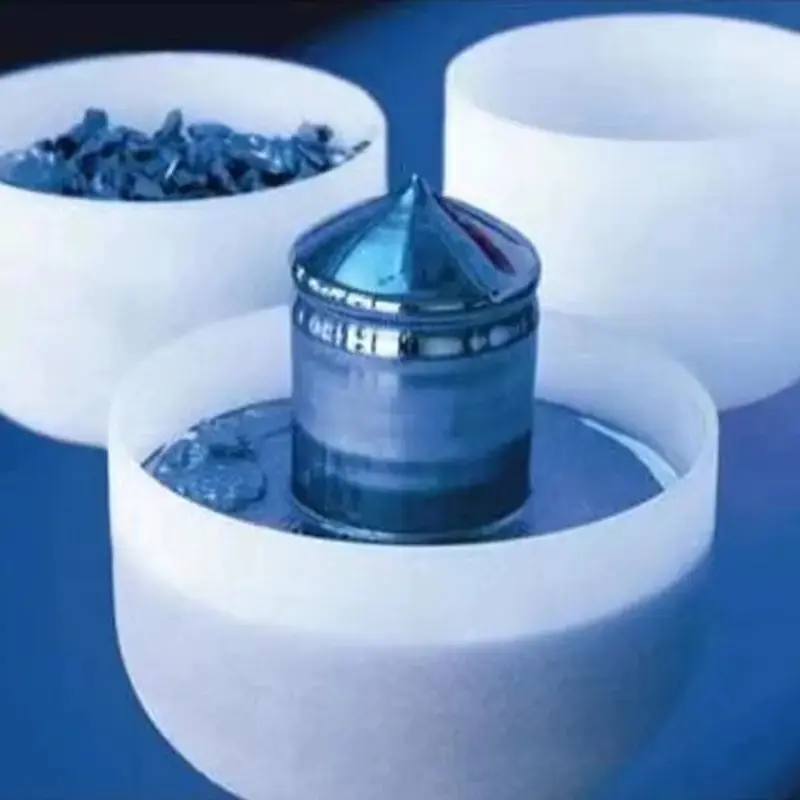
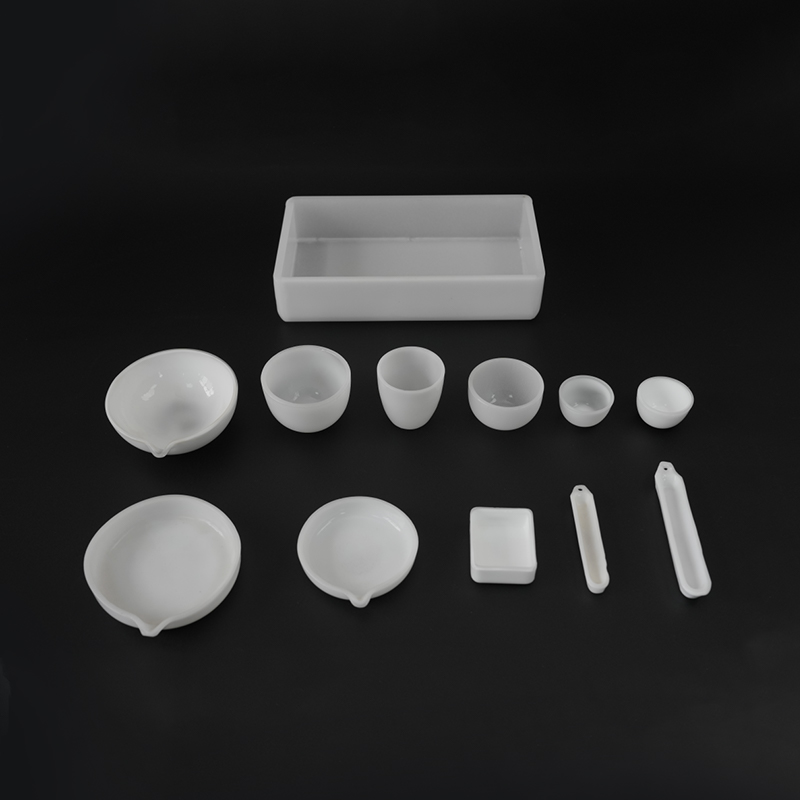
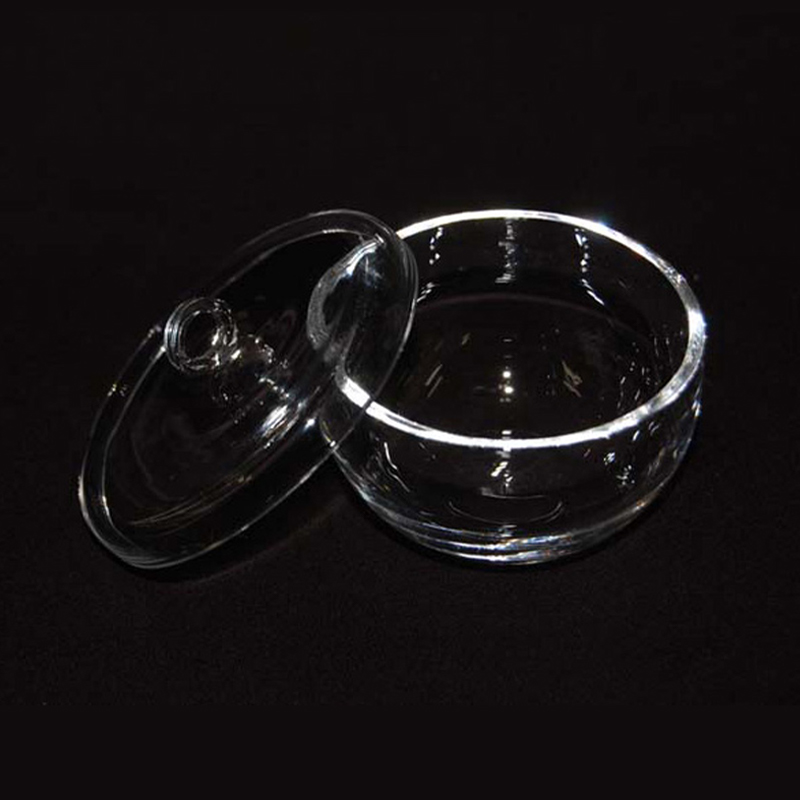
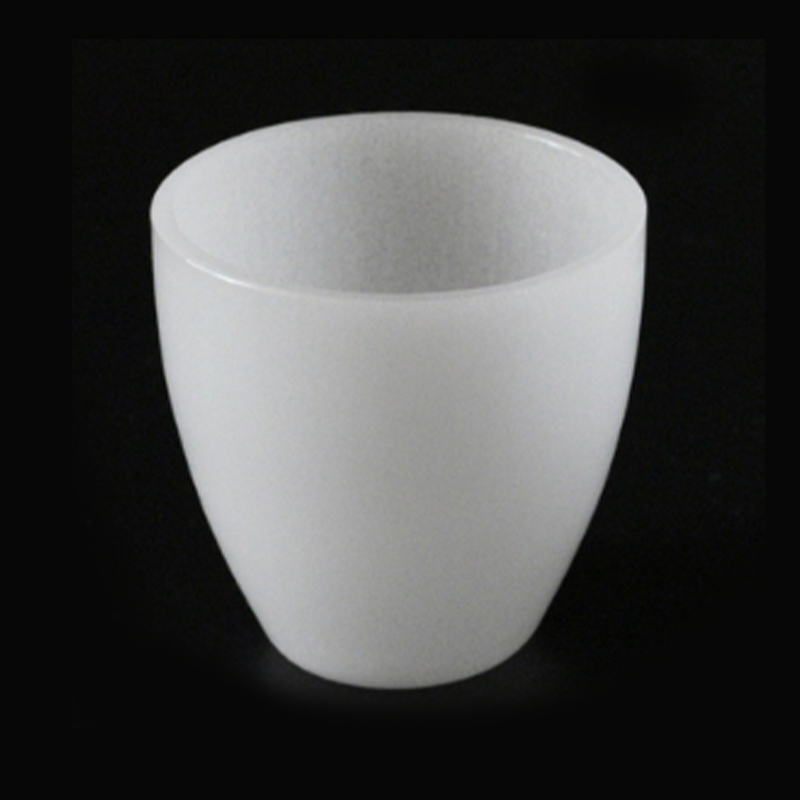
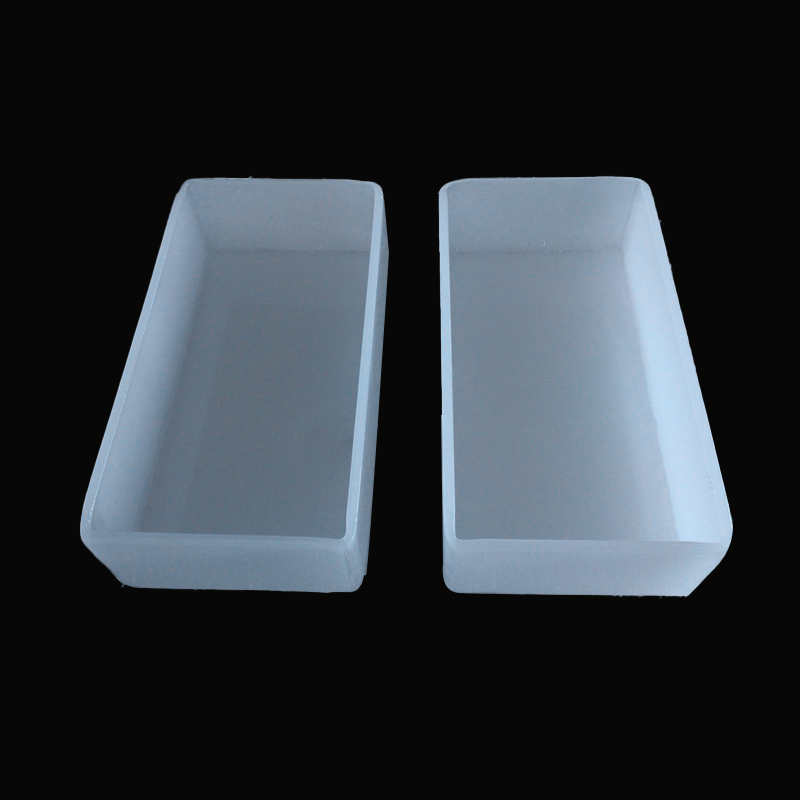
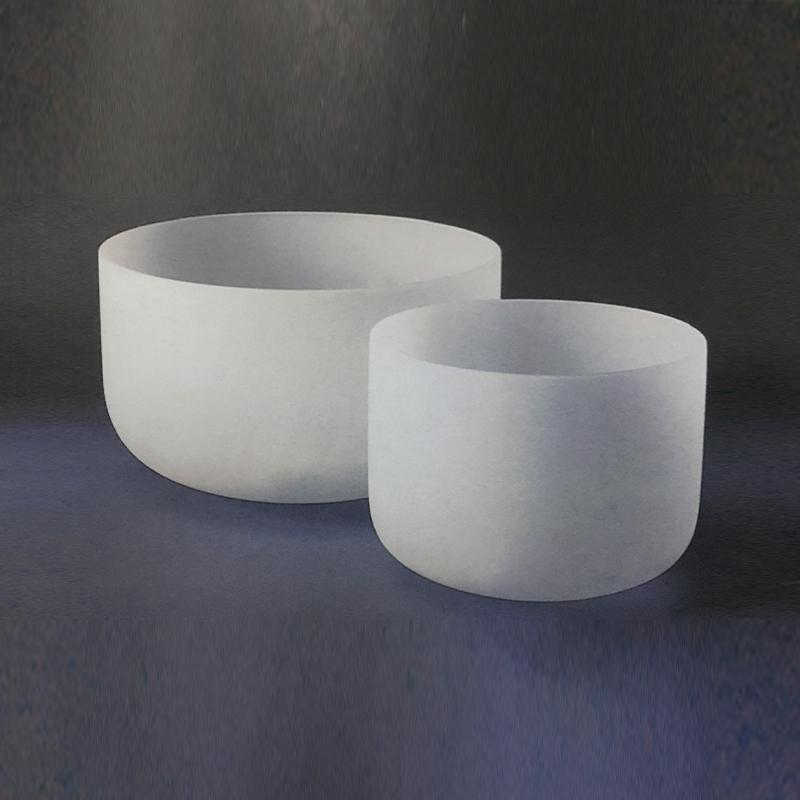
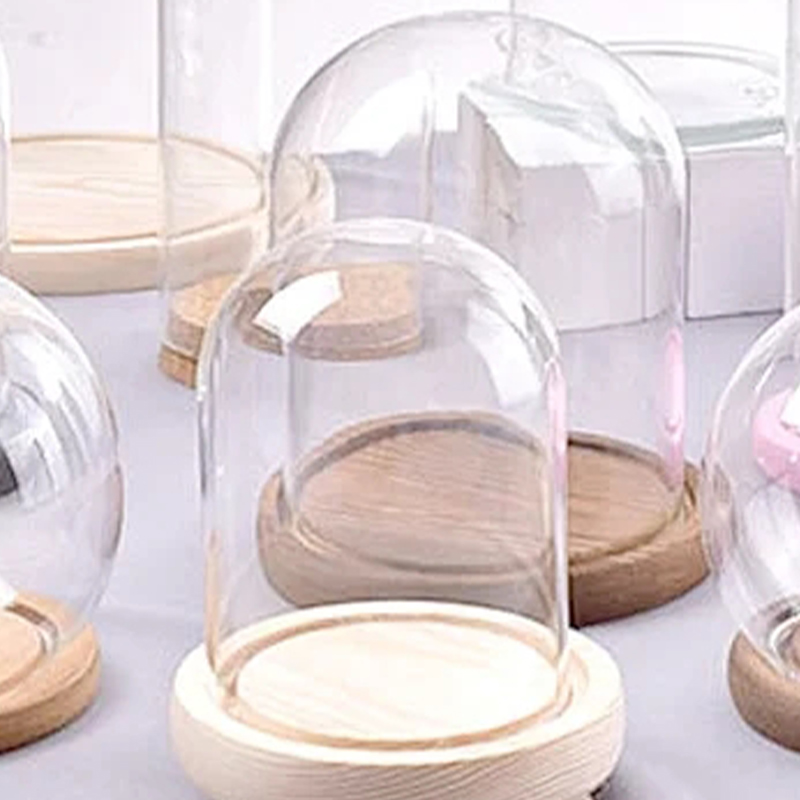
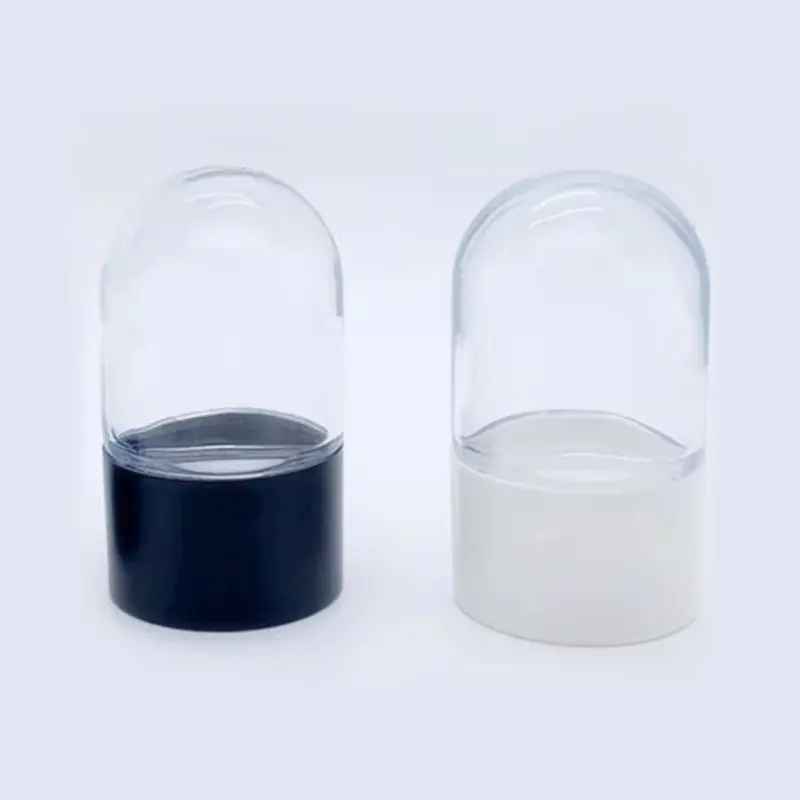
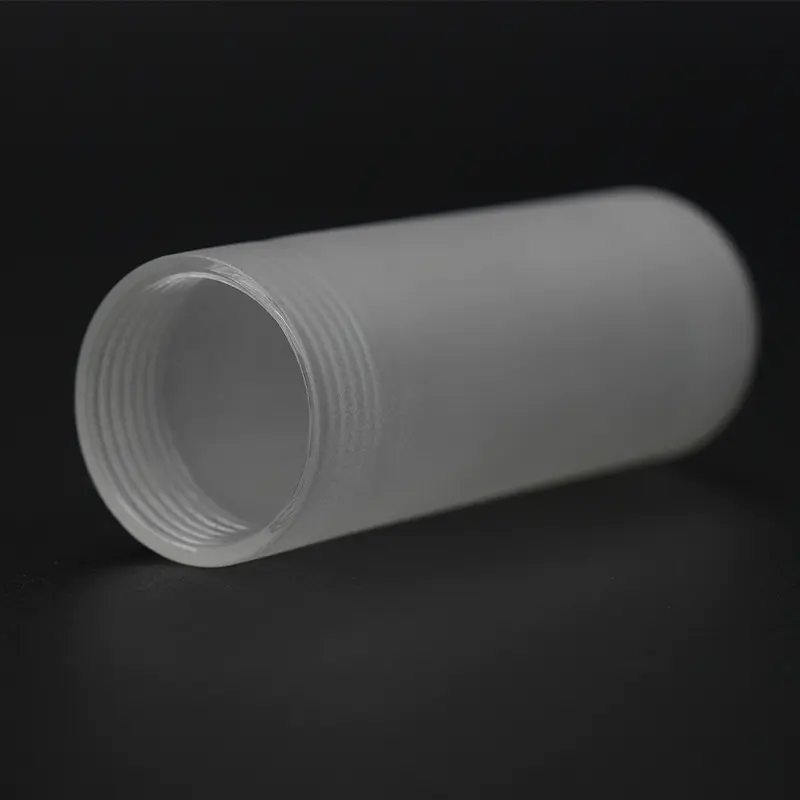
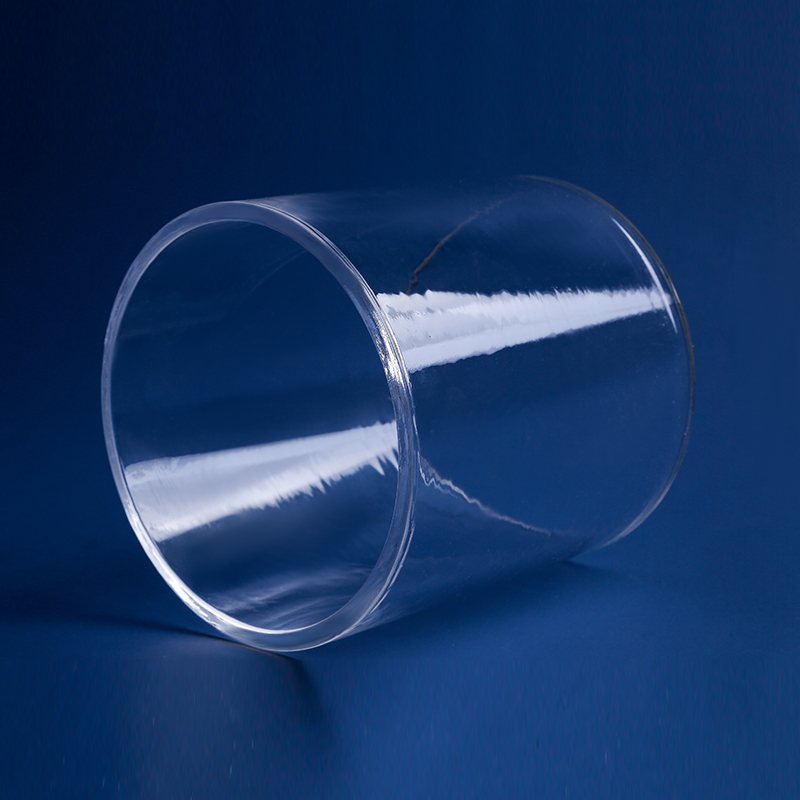
The product examples shown above illustrate the range within the quartz crucible family, from a semiconductor (electronic grade) quartz crucible with its characteristic layered wall structure, to a set of photovoltaic (solar grade) quartz crucibles in varying sizes for different furnace capacities, to a transparent quartz crucible whose clear, thin-walled form is also valued as a crystal singing bowl in sound healing applications. This visual range highlights how the same fused silica material and manufacturing expertise translate into products for very different end use industries, from silicon crystal smelting to laboratory glassware to acoustic instruments, all produced with the same underlying attention to purity and structural precision.
Frequently Asked Questions
Q1: Is quartz actually used in smelting processes?
Yes, quartz in the form of a fused silica crucible is used to contain molten silicon during the crystal pulling stage of semiconductor and photovoltaic manufacturing, which is a form of controlled high temperature smelting.
Q2: What is the difference between semiconductor grade and photovoltaic grade quartz crucible?
Semiconductor grade crucibles are produced with tighter purity control and stricter bubble distribution for wafer fabrication feedstock, while photovoltaic grade crucibles are produced for solar ingot production with a slightly wider purity tolerance suited to solar cell requirements.
Q3: What temperature can a quartz crucible withstand?
A typical quartz crucible has a deformation point around 1100 degrees Celsius and a softening point around 1730 degrees Celsius, with continuous operating temperature around 1100 degrees Celsius and short-term peaks reaching approximately 1450 degrees Celsius.
Q4: Are quartz glass tubes and rods used outside of crucible applications?
Yes, quartz glass tube and quartz glass rod stock are also used in laboratory glassware, infrared heating tube assemblies, UV transmission windows, and sound healing instruments such as a singing bowl or a crystal singing triangle.
Q5: What should buyers check before ordering a quartz crucible?
Buyers should confirm the required purity grade, operating temperature range, wall thickness and bubble distribution specification, and dimensional tolerance against their specific furnace or pulling equipment before finalizing an order.
Öne Çıkan Ürünler
Telif hakkı © Yancheng Mingyang Kuvars Ürünleri Co, Ltd Her hakkı saklıdır.
Toptan Kuvars Ürünleri Üreticisi Kuvars Cam Fabrikası